

SEARCH WHAT YOU WANT
How Much Does a Seawater Desalination Plant Cost?
Time:2026-08-27
The cost of a seawater desalination plant depends on its capacity, seawater quality, treatment process, equipment configuration, installation location, and required product-water standard.
Two systems with the same output may have very different prices. Therefore, an accurate quotation should be based on a seawater analysis and a clearly defined project scope.
Main Factors Affecting Seawater Desalination Plant Cost
1. Required Water Production Capacity
Capacity is one of the main cost factors. A small desalination unit for drinking water has different pump, membrane, piping, and energy requirements from a large plant supplying water to a mine, hotel, island, or industrial facility.
Customers should confirm:
- Required product-water capacity in m³/h or m³/day
- Daily operating hours
- Peak water demand
- Whether continuous 24-hour operation is required
You can explore our customizable seawater desalination systems for different capacity requirements.
2. Seawater Quality and Intake Method
Seawater salinity, temperature, turbidity, organic matter, and biological activity directly affect system design.
Open-sea intake water normally requires stronger pretreatment than water collected from a beach well. Intake pumps, screens, pipelines, civil works, and discharge facilities may also increase the total project cost.
A complete seawater analysis is therefore essential before equipment selection.
3. Pretreatment Requirements
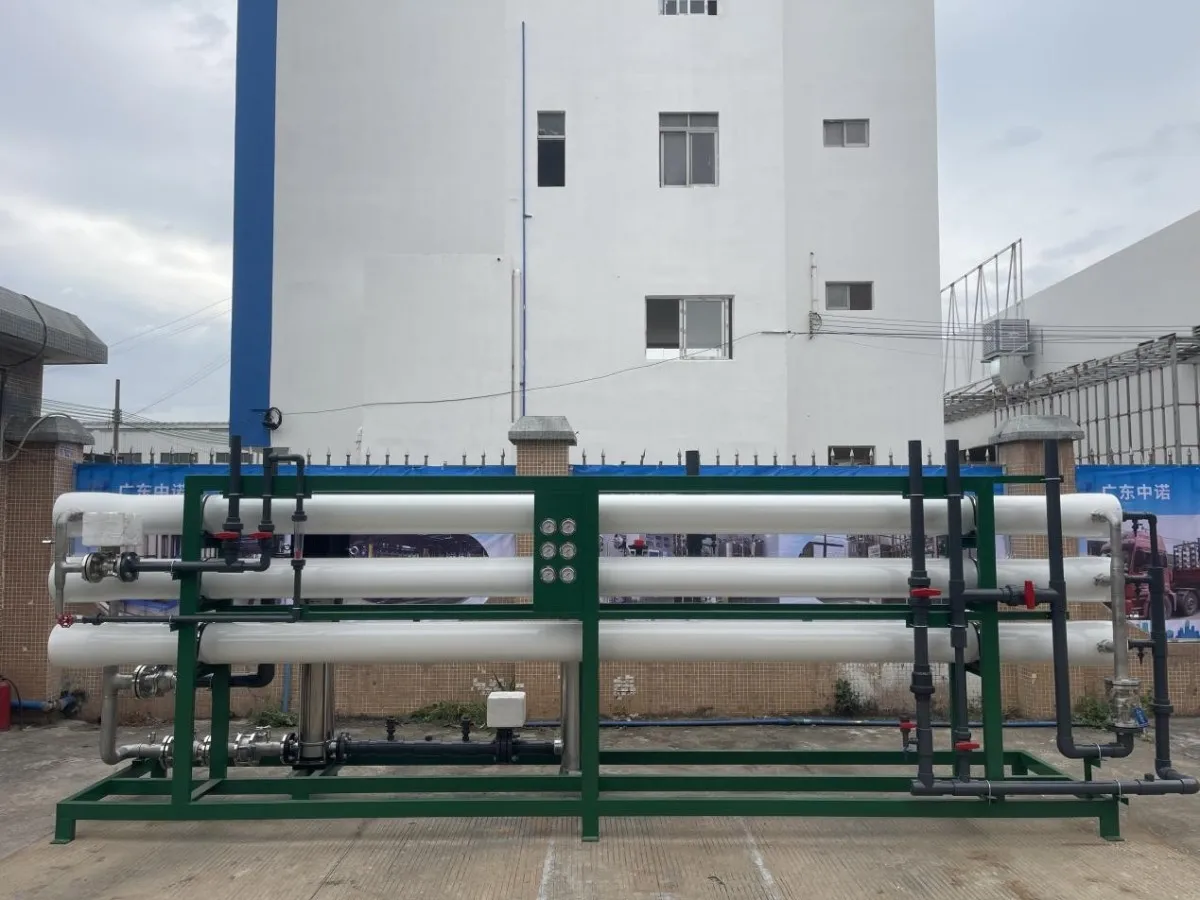
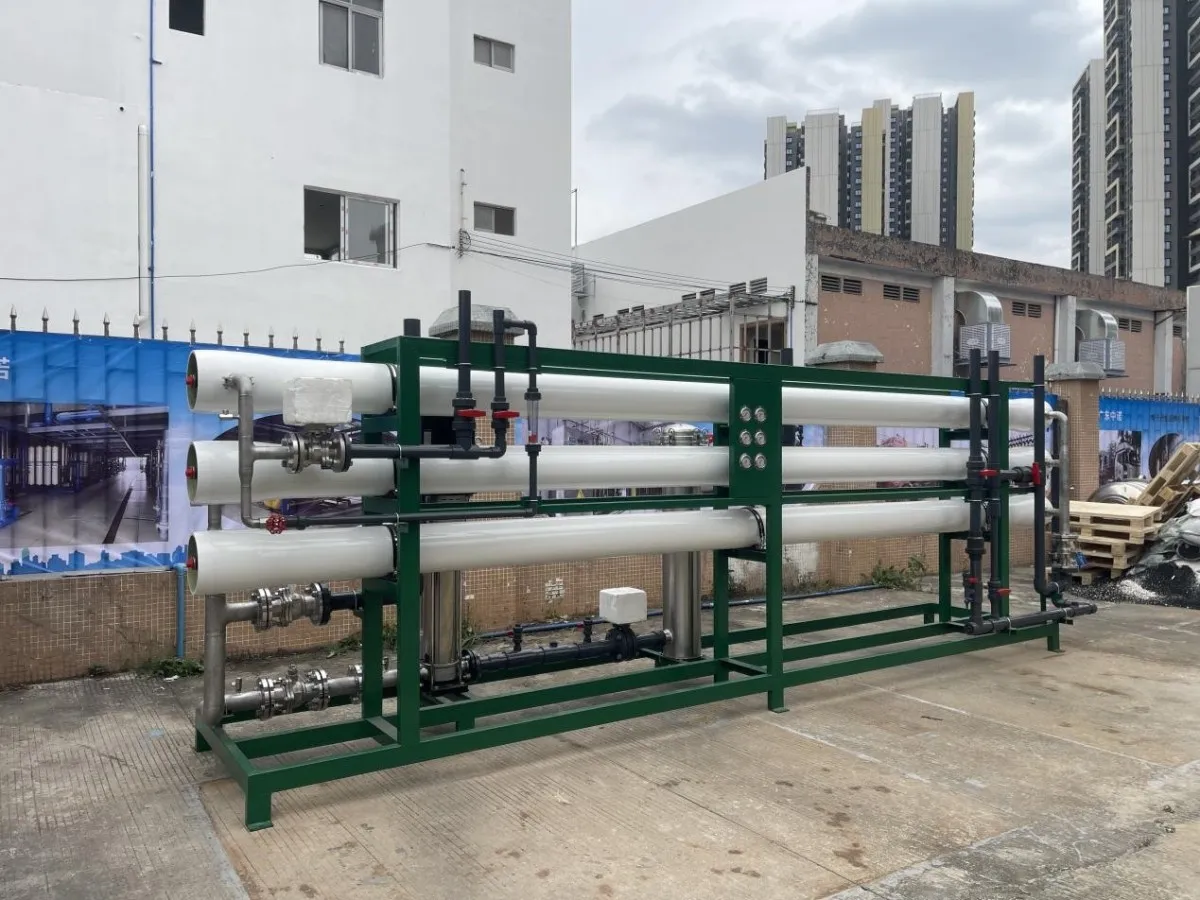
Effective pretreatment protects SWRO membranes from sediment, microorganisms, organic matter, and suspended solids.
Depending on the source water, the process may include:
- Multimedia filtration
- Ultrafiltration
- Chemical dosing
- Activated carbon filtration
- Cartridge filtration
Poor pretreatment may reduce the initial equipment price, but it can result in frequent membrane cleaning, unstable output, and higher maintenance costs.
4. Product-Water Quality
Desalinated water may be used for drinking, industrial processing, equipment cleaning, irrigation, boiler feed, or domestic supply.
Drinking-water projects normally require remineralization, pH adjustment, and disinfection after reverse osmosis. Industrial applications may require a second RO stage or additional polishing treatment.
The required water standard should be confirmed before quotation.
5. Energy-Recovery Configuration
Electricity is usually one of the largest operating costs of a seawater reverse osmosis plant.
An energy-recovery device can reduce long-term power consumption, especially in medium and large systems. Although it may increase the initial investment, it can provide significant operating savings during continuous use.
Customers should compare both the equipment price and the estimated energy consumption per cubic metre of product water.
6. Skid-Mounted or Containerized Design
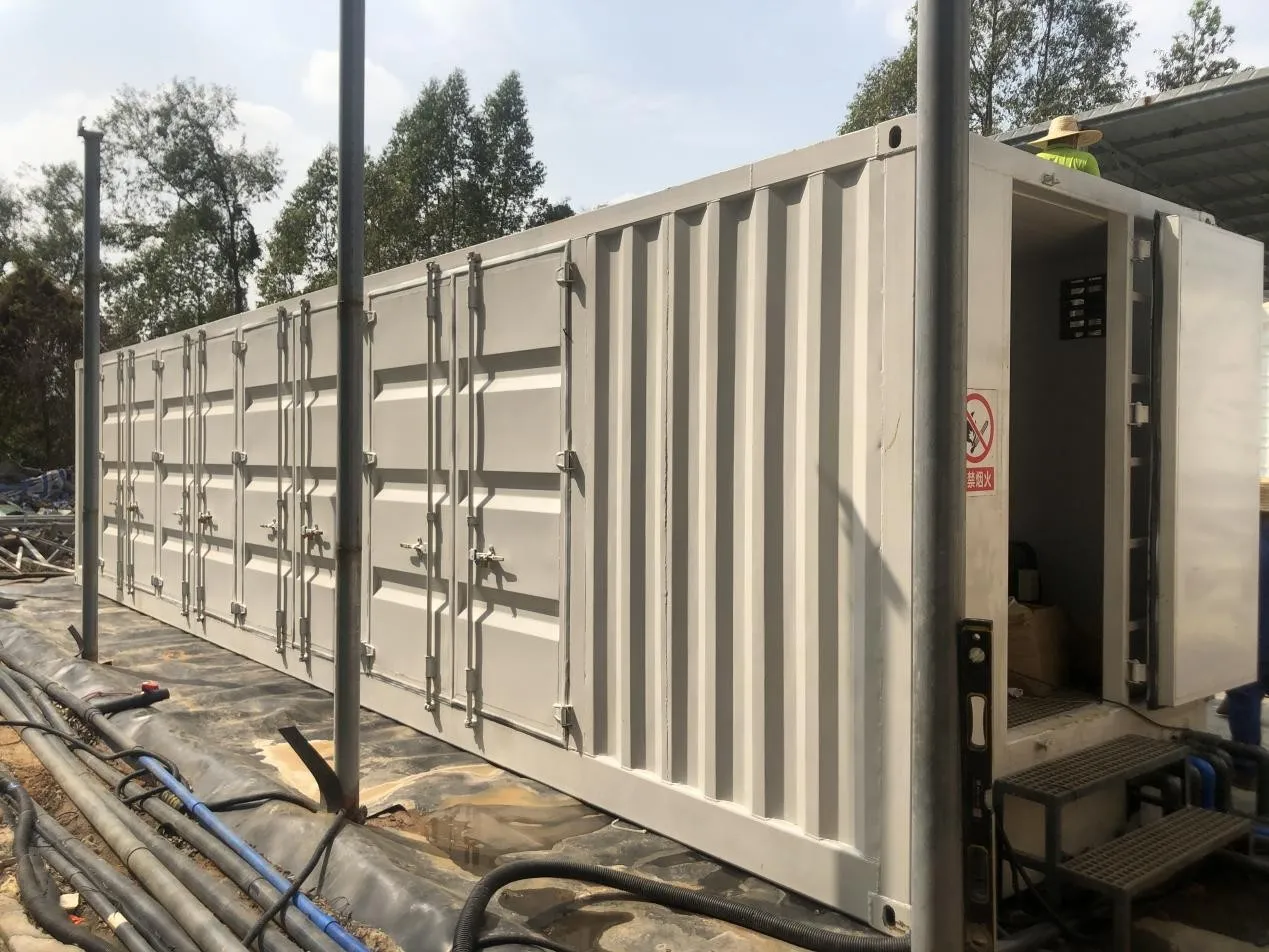
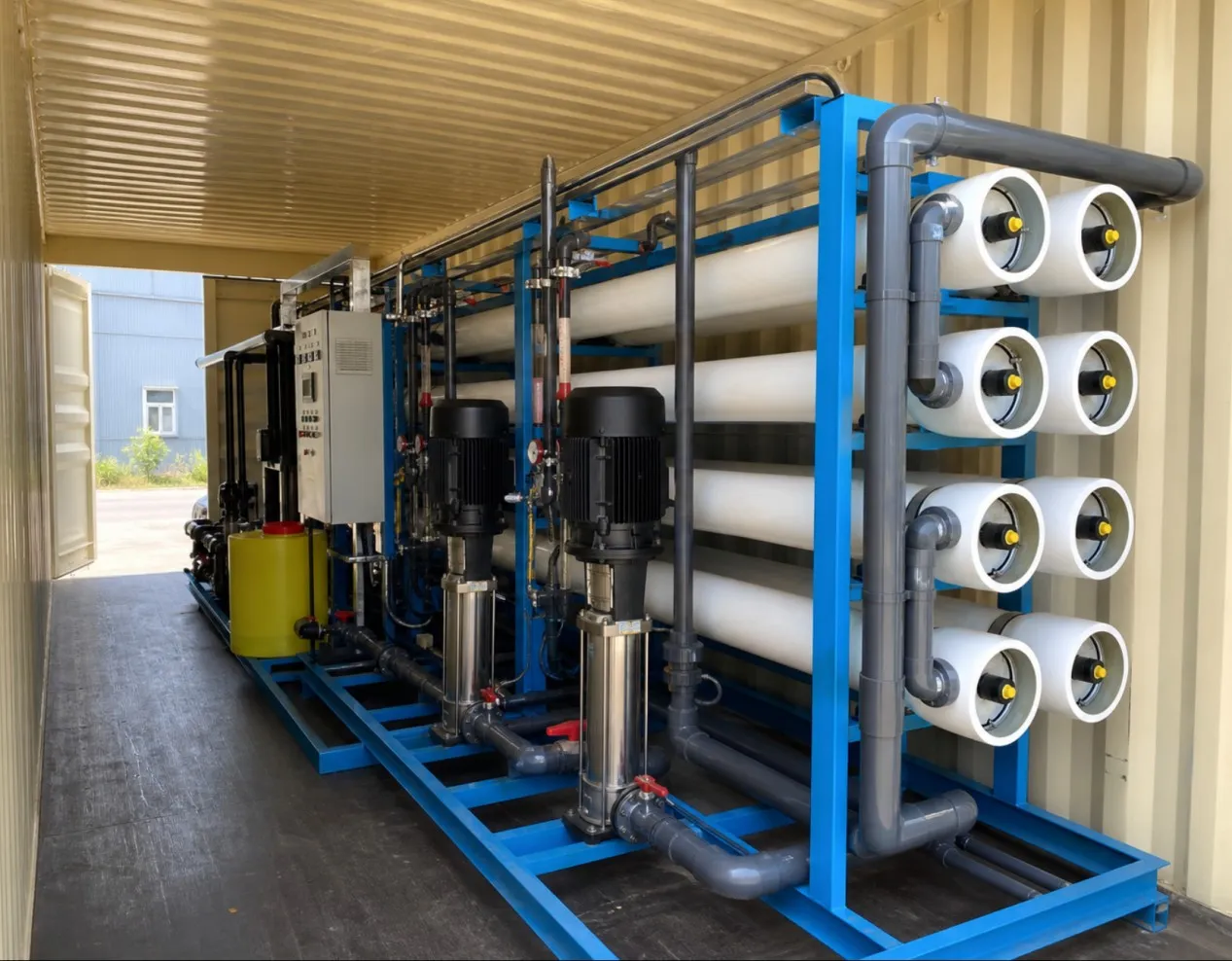
A skid-mounted system is suitable for projects with an existing equipment room. A containerized system integrates the treatment equipment, electrical controls, dosing units, and pipelines inside a standard container.
Containerized reverse osmosis systems can reduce on-site construction and installation work. They are commonly used for mining camps, islands, coastal factories, emergency water supply, and remote locations.
Project Example: 18 TPH Containerized SWRO Plant in Tanzania
For a coastal mining project in Tanzania, Zhongnuo supplied an 18 m³/h containerized seawater desalination system.
The plant was designed to provide freshwater for mineral processing, equipment cleaning, and domestic use. Its containerized structure reduced on-site installation work and made transportation and commissioning easier in a remote project location.
View our 18 TPH containerized seawater desalination project in Tanzania and other completed water-treatment projects.
This case shows why project location, water use, operating hours, installation conditions, and transportation requirements must all be considered when calculating the total cost.
What Is Included in a Seawater Desalination Quotation?
A professional quotation should clearly state whether it includes:
- Seawater pretreatment
- High-pressure SWRO system
- Energy-recovery device
- Chemical-dosing units
- Remineralization and disinfection
- Tanks and transfer pumps
- Electrical control system
- Container or skid structure
- Installation and commissioning
- Shipping and civil works
- Spare parts and operator training
Comparing only the final price may be misleading if suppliers provide different equipment scopes.
Information Required for an Accurate Quotation
Please provide the following information:
- Seawater analysis or TDS level
- Required capacity in m³/h or m³/day
- Daily operating hours
- Intended use of the product water
- Required product-water quality
- Seawater intake method
- Local voltage and frequency
- Installation location
- Skid-mounted or containerized preference
- Delivery destination
Conclusion
There is no single standard price for a seawater desalination plant. The final cost depends on capacity, seawater conditions, pretreatment, energy recovery, water-quality requirements, equipment materials, and project location.
A complete technical evaluation helps avoid undersized equipment, excessive energy consumption, and unexpected installation costs.
Zhongnuo Water Treatment provides customized SWRO solutions based on actual seawater analysis and project requirements. Contact us with your required capacity, daily operating hours, product-water use, and installation location for a suitable technical proposal.
Frequently Asked Questions
Can I obtain a quotation based only on daily capacity?
A preliminary estimate is possible, but an accurate quotation also requires seawater quality, operating hours, product-water standards, voltage, and installation information.
Is a containerized desalination plant more expensive?
The initial equipment cost may be higher, but containerized systems can reduce equipment-room construction, on-site piping, installation time, and commissioning work.
What is the main operating cost?
Electricity is usually the main operating cost, followed by chemicals, cartridge filters, membrane maintenance, labour, and spare parts.
Does every SWRO plant need an energy-recovery device?
Not necessarily. The decision depends on system capacity, operating hours, electricity cost, and expected return on investment.
The cost of a seawater desalination plant depends on its capacity, seawater quality, treatment process, equipment configuration, installation location, and required product-water standard.
Two systems with the same output may have very different prices. Therefore, an accurate quotation should be based on a seawater analysis and a clearly defined project scope.
Main Factors Affecting Seawater Desalination Plant Cost
1. Required Water Production Capacity
Capacity is one of the main cost factors. A small desalination unit for drinking water has different pump, membrane, piping, and energy requirements from a large plant supplying water to a mine, hotel, island, or industrial facility.
Customers should confirm:
- Required product-water capacity in m³/h or m³/day
- Daily operating hours
- Peak water demand
- Whether continuous 24-hour operation is required
You can explore our customizable seawater desalination systems for different capacity requirements.
2. Seawater Quality and Intake Method
Seawater salinity, temperature, turbidity, organic matter, and biological activity directly affect system design.
Open-sea intake water normally requires stronger pretreatment than water collected from a beach well. Intake pumps, screens, pipelines, civil works, and discharge facilities may also increase the total project cost.
A complete seawater analysis is therefore essential before equipment selection.
3. Pretreatment Requirements
Effective pretreatment protects SWRO membranes from sediment, microorganisms, organic matter, and suspended solids.
Depending on the source water, the process may include:
- Multimedia filtration
- Ultrafiltration
- Chemical dosing
- Activated carbon filtration
- Cartridge filtration
Poor pretreatment may reduce the initial equipment price, but it can result in frequent membrane cleaning, unstable output, and higher maintenance costs.
4. Product-Water Quality
Desalinated water may be used for drinking, industrial processing, equipment cleaning, irrigation, boiler feed, or domestic supply.
Drinking-water projects normally require remineralization, pH adjustment, and disinfection after reverse osmosis. Industrial applications may require a second RO stage or additional polishing treatment.
The required water standard should be confirmed before quotation.
5. Energy-Recovery Configuration
Electricity is usually one of the largest operating costs of a seawater reverse osmosis plant.
An energy-recovery device can reduce long-term power consumption, especially in medium and large systems. Although it may increase the initial investment, it can provide significant operating savings during continuous use.
Customers should compare both the equipment price and the estimated energy consumption per cubic metre of product water.
6. Skid-Mounted or Containerized Design
A skid-mounted system is suitable for projects with an existing equipment room. A containerized system integrates the treatment equipment, electrical controls, dosing units, and pipelines inside a standard container.
Containerized reverse osmosis systems can reduce on-site construction and installation work. They are commonly used for mining camps, islands, coastal factories, emergency water supply, and remote locations.
Project Example: 18 TPH Containerized SWRO Plant in Tanzania
For a coastal mining project in Tanzania, Zhongnuo supplied an 18 m³/h containerized seawater desalination system.
The plant was designed to provide freshwater for mineral processing, equipment cleaning, and domestic use. Its containerized structure reduced on-site installation work and made transportation and commissioning easier in a remote project location.
View our 18 TPH containerized seawater desalination project in Tanzania and other completed water-treatment projects.
This case shows why project location, water use, operating hours, installation conditions, and transportation requirements must all be considered when calculating the total cost.
What Is Included in a Seawater Desalination Quotation?
A professional quotation should clearly state whether it includes:
- Seawater pretreatment
- High-pressure SWRO system
- Energy-recovery device
- Chemical-dosing units
- Remineralization and disinfection
- Tanks and transfer pumps
- Electrical control system
- Container or skid structure
- Installation and commissioning
- Shipping and civil works
- Spare parts and operator training
Comparing only the final price may be misleading if suppliers provide different equipment scopes.
Information Required for an Accurate Quotation
Please provide the following information:
- Seawater analysis or TDS level
- Required capacity in m³/h or m³/day
- Daily operating hours
- Intended use of the product water
- Required product-water quality
- Seawater intake method
- Local voltage and frequency
- Installation location
- Skid-mounted or containerized preference
- Delivery destination
Conclusion
There is no single standard price for a seawater desalination plant. The final cost depends on capacity, seawater conditions, pretreatment, energy recovery, water-quality requirements, equipment materials, and project location.
A complete technical evaluation helps avoid undersized equipment, excessive energy consumption, and unexpected installation costs.
Zhongnuo Water Treatment provides customized SWRO solutions based on actual seawater analysis and project requirements. Contact us with your required capacity, daily operating hours, product-water use, and installation location for a suitable technical proposal.
Frequently Asked Questions
Can I obtain a quotation based only on daily capacity?
A preliminary estimate is possible, but an accurate quotation also requires seawater quality, operating hours, product-water standards, voltage, and installation information.
Is a containerized desalination plant more expensive?
The initial equipment cost may be higher, but containerized systems can reduce equipment-room construction, on-site piping, installation time, and commissioning work.
What is the main operating cost?
Electricity is usually the main operating cost, followed by chemicals, cartridge filters, membrane maintenance, labour, and spare parts.
Does every SWRO plant need an energy-recovery device?
Not necessarily. The decision depends on system capacity, operating hours, electricity cost, and expected return on investment.
Get a Quote for Free
Submit this form and our sales representative will contact you soon.


ONLINE MESSAGE
Copyright © 2026 Zhongnuo Water Treatment Co., Ltd.