

SEARCH WHAT YOU WANT
How to Reduce RO Membrane Fouling and Extend System Service Life
Time:2024-02-20
Practical operation and pretreatment tips for keeping reverse osmosis systems stable over the long term
RO membranes are the heart of a reverse osmosis water treatment system, so when fouling becomes serious, the whole project feels the impact. Lower permeate flow, higher pressure, more frequent cleaning, and shorter membrane life can all increase operating cost and disrupt production. That is why reducing RO membrane fouling is one of the most important long-term management tasks in industrial water treatment.
The good news is that membrane fouling can often be controlled through better pretreatment, stable operation, and timely maintenance. In many cases, the way a system is operated matters just as much as the membrane brand itself.
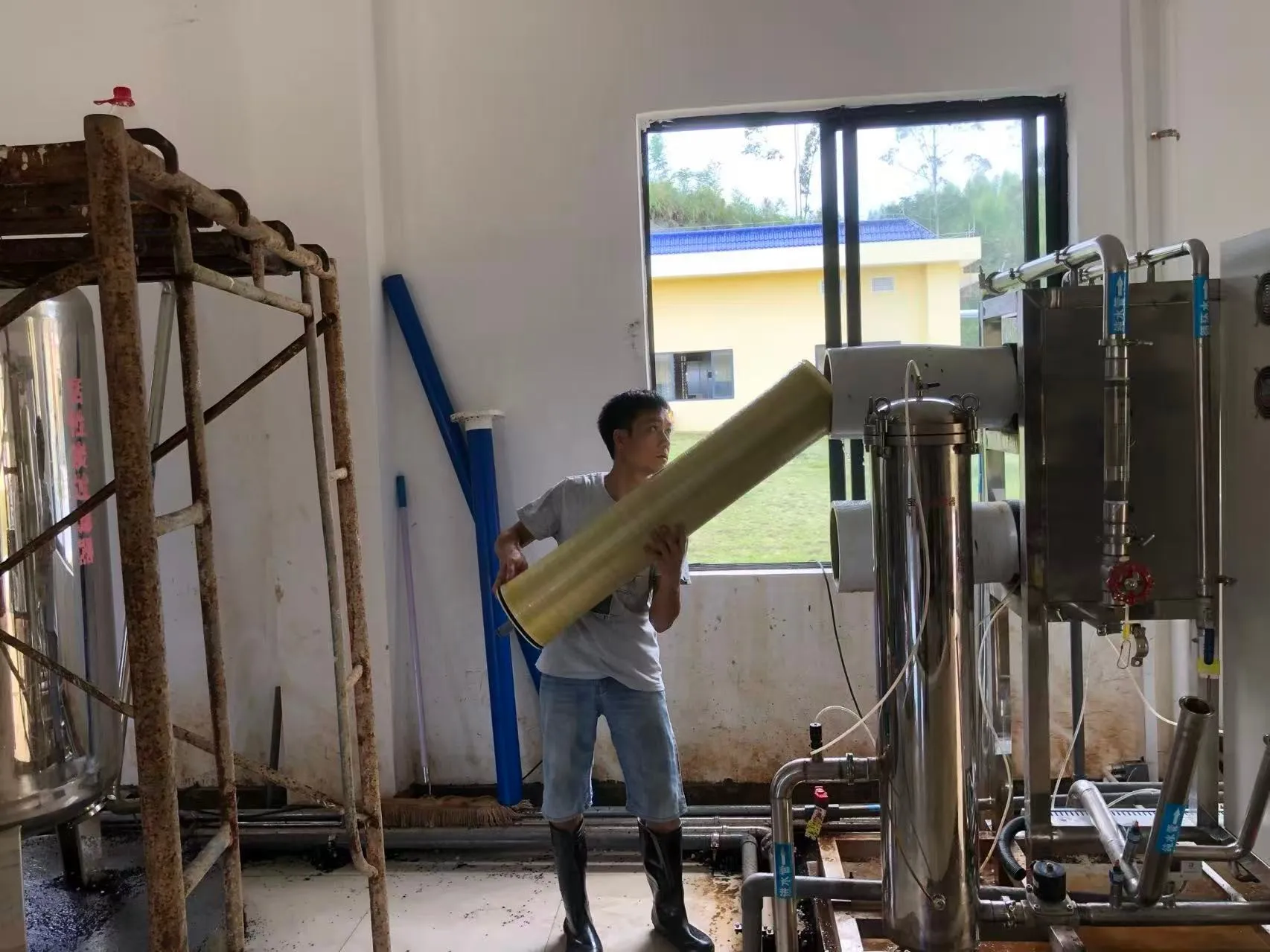
Reverse osmosis equipment from Zhongnuo Water Treatment local equipment library.
What Is RO Membrane Fouling?
RO membrane fouling happens when unwanted materials build up on the membrane surface or inside the membrane channels. These materials may include suspended solids, colloids, biological contamination, scale-forming minerals, or organic matter. As fouling increases, water passage becomes more difficult and system performance declines.
Common Signs of Membrane Fouling
Operators usually notice membrane fouling through changes in system performance rather than by seeing the fouling directly.
· Reduced permeate flow
· Higher operating pressure
· Worsening conductivity performance
· Increased pressure drop across the membrane stage
· More frequent need for chemical cleaning
Why Pretreatment Is the First Line of Defense
Good pretreatment is one of the most effective ways to reduce membrane fouling. If suspended solids, hardness, organics, or biological load are not controlled before the water reaches the RO unit, the membranes will have to carry a burden they were not meant to absorb alone.
· Multimedia filtration for particulate control
· Water softening or antiscalant strategy for hardness management
· Ultrafiltration when stronger pretreatment is needed
· Cartridge filtration before the RO stage
· Stable dosing and raw water conditioning when required
How Stable Operation Helps Protect Membranes
Membranes perform better when the system runs under stable and reasonable operating conditions. Large pressure swings, poor shutdown habits, or extended idle periods can all increase fouling risk.
· Keep feed pressure and recovery within design range
· Avoid abrupt start-stop behavior when possible
· Follow proper flushing procedures
· Do not let membranes sit unprotected during long shutdowns
· Monitor performance trends instead of reacting only after a major drop
Why Cleaning Timing Matters
Chemical cleaning is important, but it should be done at the right time. If cleaning is delayed for too long, fouling can become harder to remove and membrane damage risk may increase. At the same time, unnecessary cleaning also adds chemical cost and operational burden.
A good maintenance approach is based on trend observation, such as pressure increase, flow decline, or water quality change, rather than waiting for severe performance loss.
Daily Practices That Help Extend Membrane Life
Small operating habits can make a noticeable difference in membrane service life over time.
· Use a recent raw water analysis to review pretreatment suitability
· Record pressure, flow, and conductivity regularly
· Inspect cartridge filter replacement intervals
· Keep dosing systems and pumps in stable condition
· Train operators on correct start-up, shutdown, and flushing procedures
What Causes Membranes to Age Faster?
Membrane aging is not caused by time alone. It is often accelerated by poor pretreatment, repeated scaling, biological fouling, excessive cleaning, or long periods of unstable operation. That is why service life is closely tied to total system management.
How Zhongnuo Water Treatment Supports Long-Term RO Operation
Zhongnuo Water Treatment supports customers with RO system design, pretreatment selection, and practical operation guidance aimed at reducing membrane fouling and improving long-term system stability. The right engineering plan can help lower maintenance pressure and improve the overall value of the equipment.
· Pretreatment design matched to raw water condition
· Support for RO operation and maintenance planning
· Integrated solutions for scaling and fouling risk control
· Practical recommendations for industrial daily operation
· Technical support from design through commissioning
Conclusion
Reducing RO membrane fouling is one of the best ways to extend system service life and keep a reverse osmosis project running efficiently. Good pretreatment, stable operation, and timely maintenance work together to protect membranes far better than reacting only after performance drops.
If your RO system is facing frequent cleaning, pressure increase, or declining output, the best next step is to review both the raw water condition and the pretreatment design. In many cases, the root cause can be managed with a more practical operating strategy.
Practical operation and pretreatment tips for keeping reverse osmosis systems stable over the long term
RO membranes are the heart of a reverse osmosis water treatment system, so when fouling becomes serious, the whole project feels the impact. Lower permeate flow, higher pressure, more frequent cleaning, and shorter membrane life can all increase operating cost and disrupt production. That is why reducing RO membrane fouling is one of the most important long-term management tasks in industrial water treatment.
The good news is that membrane fouling can often be controlled through better pretreatment, stable operation, and timely maintenance. In many cases, the way a system is operated matters just as much as the membrane brand itself.
Reverse osmosis equipment from Zhongnuo Water Treatment local equipment library.
What Is RO Membrane Fouling?
RO membrane fouling happens when unwanted materials build up on the membrane surface or inside the membrane channels. These materials may include suspended solids, colloids, biological contamination, scale-forming minerals, or organic matter. As fouling increases, water passage becomes more difficult and system performance declines.
Common Signs of Membrane Fouling
Operators usually notice membrane fouling through changes in system performance rather than by seeing the fouling directly.
· Reduced permeate flow
· Higher operating pressure
· Worsening conductivity performance
· Increased pressure drop across the membrane stage
· More frequent need for chemical cleaning
Why Pretreatment Is the First Line of Defense
Good pretreatment is one of the most effective ways to reduce membrane fouling. If suspended solids, hardness, organics, or biological load are not controlled before the water reaches the RO unit, the membranes will have to carry a burden they were not meant to absorb alone.
· Multimedia filtration for particulate control
· Water softening or antiscalant strategy for hardness management
· Ultrafiltration when stronger pretreatment is needed
· Cartridge filtration before the RO stage
· Stable dosing and raw water conditioning when required
How Stable Operation Helps Protect Membranes
Membranes perform better when the system runs under stable and reasonable operating conditions. Large pressure swings, poor shutdown habits, or extended idle periods can all increase fouling risk.
· Keep feed pressure and recovery within design range
· Avoid abrupt start-stop behavior when possible
· Follow proper flushing procedures
· Do not let membranes sit unprotected during long shutdowns
· Monitor performance trends instead of reacting only after a major drop
Why Cleaning Timing Matters
Chemical cleaning is important, but it should be done at the right time. If cleaning is delayed for too long, fouling can become harder to remove and membrane damage risk may increase. At the same time, unnecessary cleaning also adds chemical cost and operational burden.
A good maintenance approach is based on trend observation, such as pressure increase, flow decline, or water quality change, rather than waiting for severe performance loss.
Daily Practices That Help Extend Membrane Life
Small operating habits can make a noticeable difference in membrane service life over time.
· Use a recent raw water analysis to review pretreatment suitability
· Record pressure, flow, and conductivity regularly
· Inspect cartridge filter replacement intervals
· Keep dosing systems and pumps in stable condition
· Train operators on correct start-up, shutdown, and flushing procedures
What Causes Membranes to Age Faster?
Membrane aging is not caused by time alone. It is often accelerated by poor pretreatment, repeated scaling, biological fouling, excessive cleaning, or long periods of unstable operation. That is why service life is closely tied to total system management.
How Zhongnuo Water Treatment Supports Long-Term RO Operation
Zhongnuo Water Treatment supports customers with RO system design, pretreatment selection, and practical operation guidance aimed at reducing membrane fouling and improving long-term system stability. The right engineering plan can help lower maintenance pressure and improve the overall value of the equipment.
· Pretreatment design matched to raw water condition
· Support for RO operation and maintenance planning
· Integrated solutions for scaling and fouling risk control
· Practical recommendations for industrial daily operation
· Technical support from design through commissioning
Conclusion
Reducing RO membrane fouling is one of the best ways to extend system service life and keep a reverse osmosis project running efficiently. Good pretreatment, stable operation, and timely maintenance work together to protect membranes far better than reacting only after performance drops.
If your RO system is facing frequent cleaning, pressure increase, or declining output, the best next step is to review both the raw water condition and the pretreatment design. In many cases, the root cause can be managed with a more practical operating strategy.
Next: No more data
Get a Quote for Free
Submit this form and our sales representative will contact you soon.


ONLINE MESSAGE
Copyright © 2026 Zhongnuo Water Treatment Co., Ltd.