

SEARCH WHAT YOU WANT
What Industries Commonly Use Industrial Water Purification Systems?
Time:2024-03-28
A practical overview of where industrial water treatment equipment is most often used and why it matters
Industrial water purification systems are used in far more industries than many buyers first expect. Water is not only needed for drinking or cleaning. In modern production, it can directly affect product quality, process stability, equipment life, and environmental performance. That is why different industries invest in different levels of water treatment depending on their water source and final water requirement.
From food factories to electronics plants, purified water plays a practical role in daily operations. The treatment process may involve reverse osmosis, ultrafiltration, ultrapure water production, softening, desalination, or wastewater reuse, depending on the application.
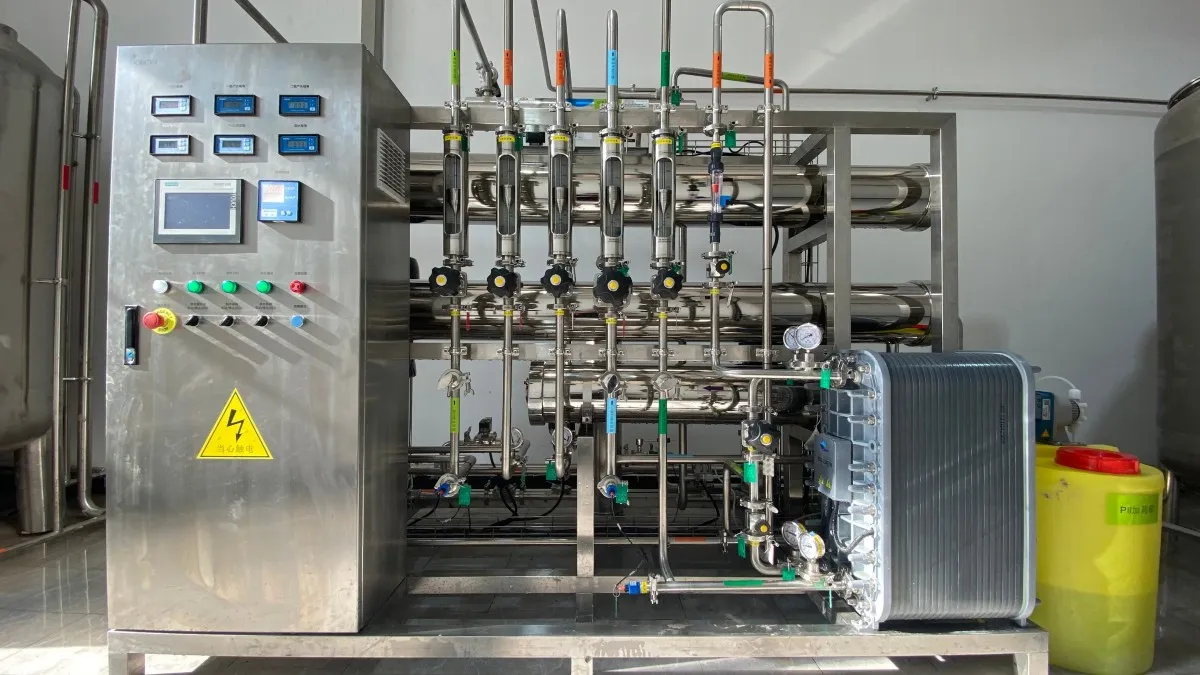
Industrial water purification equipment from Zhongnuo Water Treatment local equipment library.
Why Different Industries Need Different Water Standards
Not every factory needs the same water quality. Some industries need low-salt process water, some need ultrapure water, and others mainly need stable utility water or pretreatment before boilers and cooling systems. Because of that, water treatment equipment is usually designed around the actual production use rather than a single general standard.
Food and Beverage Industry
Food and beverage plants often use purified water for ingredient water, product mixing, cleaning, and process support. Water quality directly affects taste, stability, hygiene, and consistency, so reverse osmosis and related pretreatment systems are commonly used in this sector.
Pharmaceutical and Healthcare Industry
Pharmaceutical plants, laboratories, and healthcare facilities often need higher-grade purified water or ultrapure water for production, cleaning, and controlled process environments. In these applications, system reliability and water standard control are especially important.
Electronics and Precision Manufacturing
Electronics factories, semiconductor-related projects, and precision component production commonly require very low conductivity water. Ultrapure water systems are used to support cleaning, rinsing, and sensitive manufacturing steps where trace impurities can affect yield and quality.
Chemical and Fine Chemical Industry
Chemical plants often need treated water for formulation, reaction support, washing, cooling, and utility systems. Depending on the process, the project may focus on desalination, corrosion control, or stable water quality for repeated industrial use.
Boiler and Power-Related Applications
Boiler feed water and some power-related applications need treated water to reduce scaling, corrosion, and system damage. Water softening, reverse osmosis, and deeper purification can all play a role depending on pressure level and operating requirement.
Hotels, Resorts, and Commercial Water Supply
Commercial projects such as hotels, resorts, and large facilities may use purified water systems for drinking water, service water, or source water improvement. In coastal or special raw water conditions, desalination or advanced pretreatment may also be required.
Industrial Parks and General Manufacturing
Many general manufacturing plants use water treatment systems even when water is not part of the final product. Treated water can support equipment cleaning, process stability, cooling systems, utility lines, and centralized supply inside industrial parks.
Water Reuse and Environmental Projects
Factories and industrial parks are also using water purification systems to support wastewater reuse and reclaimed water applications. In these projects, the goal is often to reduce freshwater demand, improve resource efficiency, and lower discharge pressure.
Common Treatment Technologies Across Industries
Different industries may use different combinations of equipment, but several treatment technologies appear frequently in industrial projects.
· Reverse osmosis systems for desalination and purified water
· Ultrafiltration for suspended solids and biological control
· Ultrapure water systems for high-standard manufacturing
· Water softening for hardness reduction and pretreatment
· Seawater or brackish water desalination for special raw water sources
· Wastewater reuse systems for industrial recycling
How to Match the Right System to the Right Industry
The most suitable water treatment system depends on three main points: raw water condition, final water use, and operating environment. Two factories in different industries may need similar equipment, while two factories in the same industry may still need different process designs if their feed water and production goals are not the same.
How Zhongnuo Water Treatment Supports Different Industries
Zhongnuo Water Treatment provides customized equipment for food and beverage, pharmaceutical, electronics, chemical, desalination, reuse, and general industrial water projects. The treatment process can be configured according to water source, required water standard, capacity, and site operation needs.
· Support for multiple industrial sectors
· Customized process selection based on real application
· RO, UF, ultrapure, softening, desalination, and reuse solutions
· Practical engineering design for stable operation
· Technical support from evaluation through commissioning
Conclusion
Industrial water purification systems are commonly used in food, pharmaceutical, electronics, chemical, boiler, commercial, and reuse-related applications because water quality affects production far beyond basic supply. The right system depends on how the water will be used and what standard the project must meet.
If your industry needs more stable process water or better control over raw water quality, the best starting point is to review your water source, capacity target, and final application together. That makes it much easier to define the right treatment process.
A practical overview of where industrial water treatment equipment is most often used and why it matters
Industrial water purification systems are used in far more industries than many buyers first expect. Water is not only needed for drinking or cleaning. In modern production, it can directly affect product quality, process stability, equipment life, and environmental performance. That is why different industries invest in different levels of water treatment depending on their water source and final water requirement.
From food factories to electronics plants, purified water plays a practical role in daily operations. The treatment process may involve reverse osmosis, ultrafiltration, ultrapure water production, softening, desalination, or wastewater reuse, depending on the application.
Industrial water purification equipment from Zhongnuo Water Treatment local equipment library.
Why Different Industries Need Different Water Standards
Not every factory needs the same water quality. Some industries need low-salt process water, some need ultrapure water, and others mainly need stable utility water or pretreatment before boilers and cooling systems. Because of that, water treatment equipment is usually designed around the actual production use rather than a single general standard.
Food and Beverage Industry
Food and beverage plants often use purified water for ingredient water, product mixing, cleaning, and process support. Water quality directly affects taste, stability, hygiene, and consistency, so reverse osmosis and related pretreatment systems are commonly used in this sector.
Pharmaceutical and Healthcare Industry
Pharmaceutical plants, laboratories, and healthcare facilities often need higher-grade purified water or ultrapure water for production, cleaning, and controlled process environments. In these applications, system reliability and water standard control are especially important.
Electronics and Precision Manufacturing
Electronics factories, semiconductor-related projects, and precision component production commonly require very low conductivity water. Ultrapure water systems are used to support cleaning, rinsing, and sensitive manufacturing steps where trace impurities can affect yield and quality.
Chemical and Fine Chemical Industry
Chemical plants often need treated water for formulation, reaction support, washing, cooling, and utility systems. Depending on the process, the project may focus on desalination, corrosion control, or stable water quality for repeated industrial use.
Boiler and Power-Related Applications
Boiler feed water and some power-related applications need treated water to reduce scaling, corrosion, and system damage. Water softening, reverse osmosis, and deeper purification can all play a role depending on pressure level and operating requirement.
Hotels, Resorts, and Commercial Water Supply
Commercial projects such as hotels, resorts, and large facilities may use purified water systems for drinking water, service water, or source water improvement. In coastal or special raw water conditions, desalination or advanced pretreatment may also be required.
Industrial Parks and General Manufacturing
Many general manufacturing plants use water treatment systems even when water is not part of the final product. Treated water can support equipment cleaning, process stability, cooling systems, utility lines, and centralized supply inside industrial parks.
Water Reuse and Environmental Projects
Factories and industrial parks are also using water purification systems to support wastewater reuse and reclaimed water applications. In these projects, the goal is often to reduce freshwater demand, improve resource efficiency, and lower discharge pressure.
Common Treatment Technologies Across Industries
Different industries may use different combinations of equipment, but several treatment technologies appear frequently in industrial projects.
· Reverse osmosis systems for desalination and purified water
· Ultrafiltration for suspended solids and biological control
· Ultrapure water systems for high-standard manufacturing
· Water softening for hardness reduction and pretreatment
· Seawater or brackish water desalination for special raw water sources
· Wastewater reuse systems for industrial recycling
How to Match the Right System to the Right Industry
The most suitable water treatment system depends on three main points: raw water condition, final water use, and operating environment. Two factories in different industries may need similar equipment, while two factories in the same industry may still need different process designs if their feed water and production goals are not the same.
How Zhongnuo Water Treatment Supports Different Industries
Zhongnuo Water Treatment provides customized equipment for food and beverage, pharmaceutical, electronics, chemical, desalination, reuse, and general industrial water projects. The treatment process can be configured according to water source, required water standard, capacity, and site operation needs.
· Support for multiple industrial sectors
· Customized process selection based on real application
· RO, UF, ultrapure, softening, desalination, and reuse solutions
· Practical engineering design for stable operation
· Technical support from evaluation through commissioning
Conclusion
Industrial water purification systems are commonly used in food, pharmaceutical, electronics, chemical, boiler, commercial, and reuse-related applications because water quality affects production far beyond basic supply. The right system depends on how the water will be used and what standard the project must meet.
If your industry needs more stable process water or better control over raw water quality, the best starting point is to review your water source, capacity target, and final application together. That makes it much easier to define the right treatment process.
Get a Quote for Free
Submit this form and our sales representative will contact you soon.


ONLINE MESSAGE
Copyright © 2026 Zhongnuo Water Treatment Co., Ltd.