

SEARCH WHAT YOU WANT
What Capacity Water Treatment System Does Your Factory Need?
Time:2024-07-19
A practical guide to choosing the right water treatment capacity for stable factory operation
One of the most common questions in industrial water treatment is simple on the surface but important in practice: what capacity water treatment system does a factory actually need? Many buyers begin with a rough idea such as 1 ton per hour, 5 tons per hour, or 20 tons per hour, but the right answer depends on more than a single production target.
Choosing an undersized system can create water shortages and unstable production, while oversizing may increase project cost and waste operating potential. A correct capacity decision should match real water demand, operating schedule, and future plant planning.
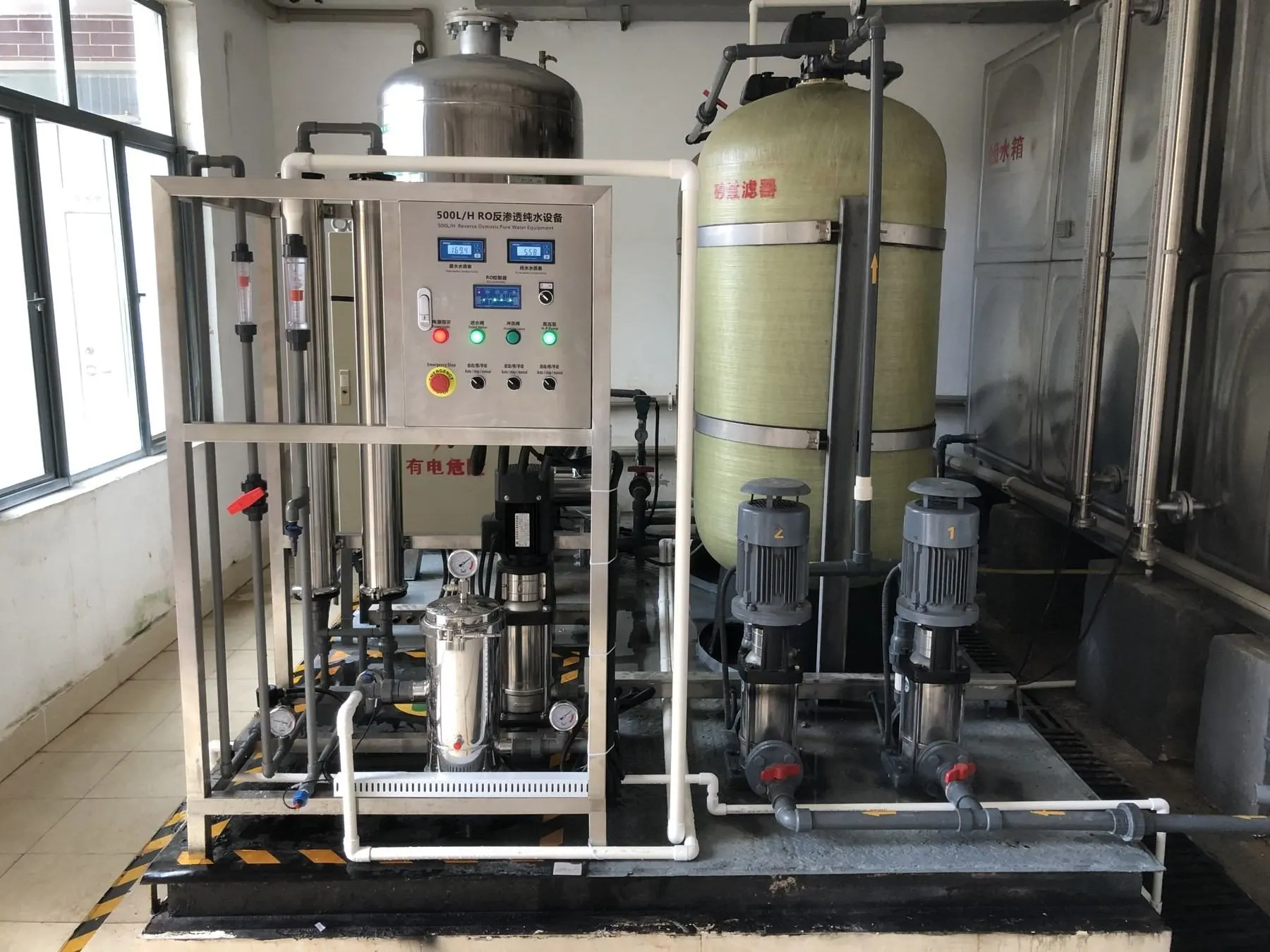
Reverse osmosis system equipment from Zhongnuo Water Treatment local equipment library.
Why Capacity Selection Matters
Capacity is one of the core design points of any water treatment project. It affects equipment size, tank volume, pump selection, membrane quantity, control logic, installation footprint, and total project budget.
A well-sized system gives the factory enough treated water for daily use without creating unnecessary pressure on investment or operation. That is why capacity selection should be based on actual usage rather than guesswork.
Start with Real Water Demand
The first step is to understand where the water will be used and how much is needed in real operation. Different factories consume water in different ways, and some lines operate continuously while others use water only in certain shifts or cleaning cycles.
· Process water demand
· Equipment washing and cleaning water
· Boiler or cooling make-up water
· Staff domestic or service water when relevant
· Peak demand versus average daily demand
Hourly Capacity and Daily Demand Are Not the Same
Some buyers focus only on daily water use, while others ask only for tons per hour. In reality, both figures matter. A factory may use 100 tons per day, but if water is needed in short high-demand periods, the hourly treatment capacity must be sized to handle those peaks.
That is why engineers often review daily demand, peak demand, operating hours, and storage arrangement together before confirming the final system size.
Questions That Help Define the Right Capacity
Before selecting a water treatment system, factories should prepare several practical operating details.
· How many hours per day will the system run?
· Is the plant operating one shift, two shifts, or continuously?
· Will treated water be stored in a tank before use?
· Are there seasonal or future expansion plans?
· Is the water used for one process or multiple departments?
· What reserve margin is needed for stable production?
Raw Water and Final Water Quality Also Affect Capacity
Capacity is not just about how much water goes in. It is also affected by how much usable water comes out. Recovery rate, pretreatment efficiency, and final water quality target all influence the actual design.
For example, a reverse osmosis system treating difficult groundwater may need a different feed arrangement from a system treating municipal water, even if the final product water demand is the same.
When Should a Factory Leave Expansion Space?
Many factories grow faster than their original water planning. If a production line is expected to expand, it can be wise to leave room for future modules, storage increase, or pretreatment upgrades.
· Planned new production lines
· Future export or seasonal demand increase
· Additional departments that may use treated water later
· Potential shift from general process water to higher-grade water demand
Common Mistakes in Capacity Selection
Factories sometimes choose capacity based only on a competitor's system size or a quick estimate from one department. That often leads to mismatch between design and real usage.
· Ignoring peak water demand
· Not considering future expansion
· Using average demand without checking operating hours
· Overlooking recovery loss and storage planning
· Choosing by price before confirming real capacity need
How Zhongnuo Water Treatment Helps with Capacity Planning
Zhongnuo Water Treatment supports buyers in evaluating capacity based on raw water condition, final water use, operating hours, and future plant planning. The goal is to recommend a water treatment system size that is practical for long-term factory operation rather than simply matching a rough number.
· Capacity evaluation based on actual application
· Support for RO, UF, ultrapure, desalination, and reuse systems
· Process design matched to water quality and output target
· Practical guidance for storage and expansion planning
· Technical support from inquiry stage through commissioning
Conclusion
The right water treatment capacity depends on how your factory really uses water, not only on a simple hourly figure. By reviewing daily demand, peak demand, operating hours, water quality, and future plans together, buyers can choose a more accurate and efficient system.
If you are planning a new project, the best starting point is to list your real water use points, required output, and operating schedule. That information makes it much easier to size the right water treatment system for stable production.
A practical guide to choosing the right water treatment capacity for stable factory operation
One of the most common questions in industrial water treatment is simple on the surface but important in practice: what capacity water treatment system does a factory actually need? Many buyers begin with a rough idea such as 1 ton per hour, 5 tons per hour, or 20 tons per hour, but the right answer depends on more than a single production target.
Choosing an undersized system can create water shortages and unstable production, while oversizing may increase project cost and waste operating potential. A correct capacity decision should match real water demand, operating schedule, and future plant planning.
Reverse osmosis system equipment from Zhongnuo Water Treatment local equipment library.
Why Capacity Selection Matters
Capacity is one of the core design points of any water treatment project. It affects equipment size, tank volume, pump selection, membrane quantity, control logic, installation footprint, and total project budget.
A well-sized system gives the factory enough treated water for daily use without creating unnecessary pressure on investment or operation. That is why capacity selection should be based on actual usage rather than guesswork.
Start with Real Water Demand
The first step is to understand where the water will be used and how much is needed in real operation. Different factories consume water in different ways, and some lines operate continuously while others use water only in certain shifts or cleaning cycles.
· Process water demand
· Equipment washing and cleaning water
· Boiler or cooling make-up water
· Staff domestic or service water when relevant
· Peak demand versus average daily demand
Hourly Capacity and Daily Demand Are Not the Same
Some buyers focus only on daily water use, while others ask only for tons per hour. In reality, both figures matter. A factory may use 100 tons per day, but if water is needed in short high-demand periods, the hourly treatment capacity must be sized to handle those peaks.
That is why engineers often review daily demand, peak demand, operating hours, and storage arrangement together before confirming the final system size.
Questions That Help Define the Right Capacity
Before selecting a water treatment system, factories should prepare several practical operating details.
· How many hours per day will the system run?
· Is the plant operating one shift, two shifts, or continuously?
· Will treated water be stored in a tank before use?
· Are there seasonal or future expansion plans?
· Is the water used for one process or multiple departments?
· What reserve margin is needed for stable production?
Raw Water and Final Water Quality Also Affect Capacity
Capacity is not just about how much water goes in. It is also affected by how much usable water comes out. Recovery rate, pretreatment efficiency, and final water quality target all influence the actual design.
For example, a reverse osmosis system treating difficult groundwater may need a different feed arrangement from a system treating municipal water, even if the final product water demand is the same.
When Should a Factory Leave Expansion Space?
Many factories grow faster than their original water planning. If a production line is expected to expand, it can be wise to leave room for future modules, storage increase, or pretreatment upgrades.
· Planned new production lines
· Future export or seasonal demand increase
· Additional departments that may use treated water later
· Potential shift from general process water to higher-grade water demand
Common Mistakes in Capacity Selection
Factories sometimes choose capacity based only on a competitor's system size or a quick estimate from one department. That often leads to mismatch between design and real usage.
· Ignoring peak water demand
· Not considering future expansion
· Using average demand without checking operating hours
· Overlooking recovery loss and storage planning
· Choosing by price before confirming real capacity need
How Zhongnuo Water Treatment Helps with Capacity Planning
Zhongnuo Water Treatment supports buyers in evaluating capacity based on raw water condition, final water use, operating hours, and future plant planning. The goal is to recommend a water treatment system size that is practical for long-term factory operation rather than simply matching a rough number.
· Capacity evaluation based on actual application
· Support for RO, UF, ultrapure, desalination, and reuse systems
· Process design matched to water quality and output target
· Practical guidance for storage and expansion planning
· Technical support from inquiry stage through commissioning
Conclusion
The right water treatment capacity depends on how your factory really uses water, not only on a simple hourly figure. By reviewing daily demand, peak demand, operating hours, water quality, and future plans together, buyers can choose a more accurate and efficient system.
If you are planning a new project, the best starting point is to list your real water use points, required output, and operating schedule. That information makes it much easier to size the right water treatment system for stable production.
Get a Quote for Free
Submit this form and our sales representative will contact you soon.


ONLINE MESSAGE
Copyright © 2026 Zhongnuo Water Treatment Co., Ltd.