

SEARCH WHAT YOU WANT
Why Pretreatment System Matters Before an RO System
Time:2024-10-16
A pretreatment guide for reducing hardness, controlling scale, and protecting reverse osmosis membranes
When buyers focus on a reverse osmosis water treatment system, they often pay most attention to membrane brand, output capacity, and final water quality. Those points matter, but stable RO operation depends heavily on pretreatment. One of the most important pretreatment steps for many water sources is water softening equipment.
If hardness in the feed water is not controlled, calcium and magnesium can form scale inside the RO membranes and piping. Over time, that scaling can reduce permeate flow, increase operating pressure, and shorten membrane service life. A properly selected water softener helps prevent those problems before they start.
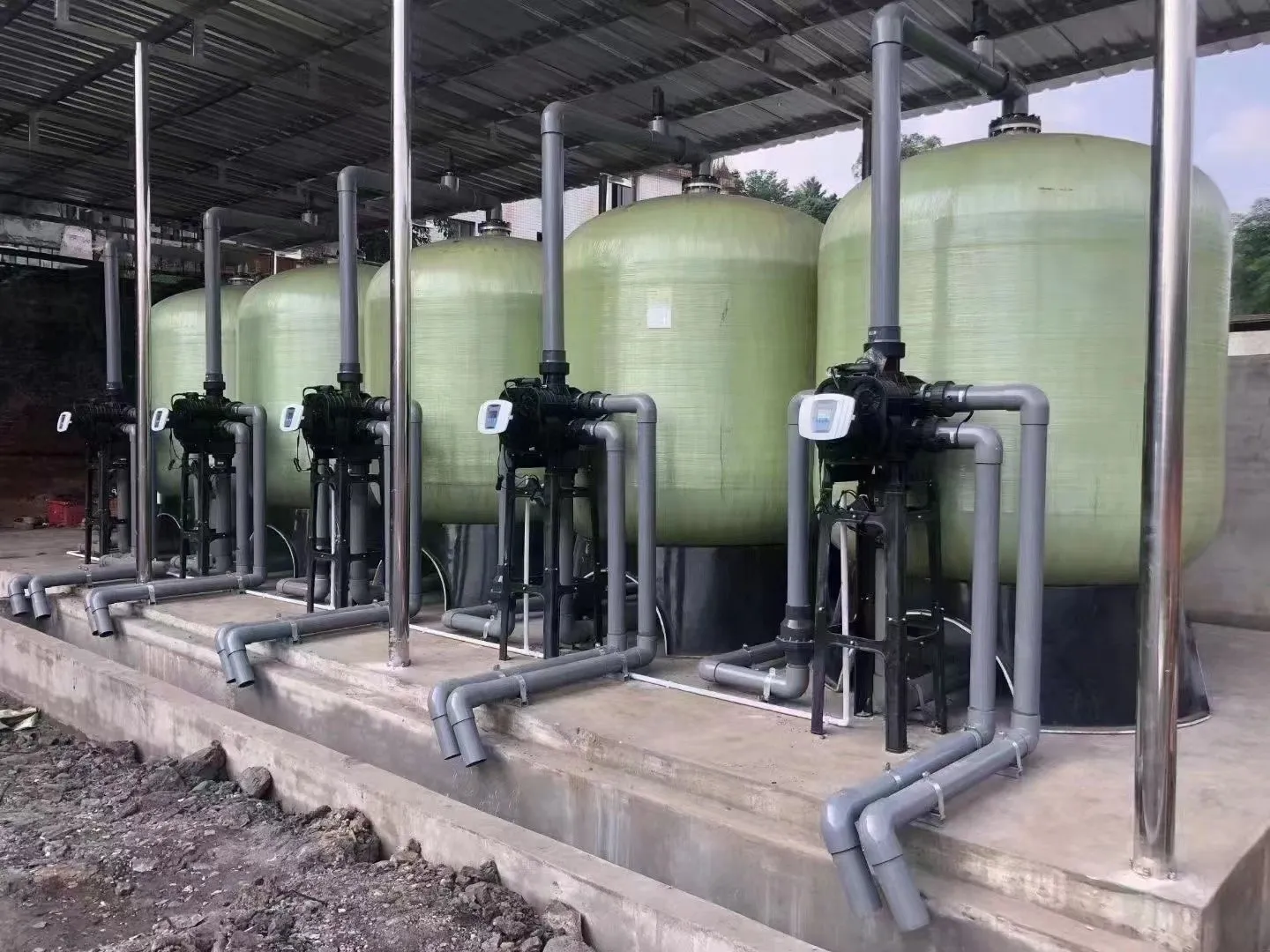
Water softening equipment from Zhongnuo Water Treatment local equipment library.
What Does Water Softening Equipment Do?
Water softening equipment is designed to remove hardness ions, mainly calcium and magnesium, from raw water. In most industrial projects, this is done through ion exchange resin inside softener tanks. The softened water then moves to downstream treatment stages with a lower scaling risk.
For RO pretreatment, the purpose of softening is not complete purification by itself. Its main role is to reduce membrane fouling and help the reverse osmosis system run more reliably.
Why Hardness Is a Problem for Reverse Osmosis
Hard water can create scale on membrane surfaces, especially when recovery rates are higher and dissolved minerals become concentrated on the reject side. Once scaling develops, the RO system may lose performance and require more frequent cleaning.
· Lower permeate flow rate
· Higher operating pressure
· Reduced membrane efficiency
· More frequent chemical cleaning
· Shorter membrane service life
When Should a Water Softener Be Used Before RO?
A water softener is commonly used before an RO system when the raw water has moderate to high hardness and when the project needs stable long-term operation. It is especially practical in groundwater, well water, and some municipal or surface water projects with scaling potential.
· Groundwater or well water with high hardness
· Boiler feed water pretreatment lines
· Industrial process water systems using RO
· Projects aiming to reduce membrane cleaning frequency
· Installations where stable operating pressure is important
How Water Softening Fits into the RO Pretreatment Process
In a complete pretreatment line, the water softener usually works together with other components such as raw water tanks, multimedia filters, cartridge filters, and dosing systems. The exact sequence depends on feed water quality and the overall process design.
By reducing hardness before the water reaches the RO membranes, the softener supports better recovery, more stable operation, and easier maintenance planning.
Main Benefits of Using a Water Softener Before RO
Adding water softening equipment before a reverse osmosis system can improve both membrane protection and long-term system economy.
· Reduces scale formation risk
· Protects RO membranes and pressure vessels
· Helps maintain system output stability
· Can lower cleaning frequency and downtime
· Supports more reliable long-term operation
What Should Buyers Check Before Choosing a Softener?
The right softening system depends on more than flow rate. Buyers should evaluate water quality and operating conditions together when sizing the equipment.
· Raw water hardness level
· Daily flow rate and peak demand
· Operating hours and regeneration frequency
· Salt consumption and maintenance expectations
· Whether the softener will feed an RO system, boiler, or other process
· Space and automation requirements for the installation site
Why Pretreatment Design Should Be Practical
A water softener works best when it is treated as part of a complete pretreatment strategy, not as an isolated tank. Resin quality, valve control, regeneration setting, and integration with the RO skid all affect how well the overall system performs.
That is why pretreatment should be designed around the actual raw water report rather than added later as a standard accessory.
How Zhongnuo Water Treatment Supports RO Pretreatment Projects
Zhongnuo Water Treatment provides customized water softening equipment and integrated pretreatment solutions for reverse osmosis projects. Based on the raw water condition and the downstream process goal, the pretreatment line can be configured to improve membrane protection and practical operating reliability.
· Customized water softener sizing
· Integrated pretreatment design before RO systems
· Skid-mounted or tank-based process support
· Automation options for regeneration and operation
· Technical support from design through commissioning
Conclusion
Water softening equipment matters before an RO system because it helps control hardness and reduce scaling risk before the water reaches the membranes. That single pretreatment step can make a major difference in system stability, maintenance frequency, and overall service life.
If your water source has noticeable hardness, the best approach is to review the raw water analysis and pretreatment design together before finalizing the RO configuration. That will help you choose a more reliable and cost-effective system for long-term operation.
A pretreatment guide for reducing hardness, controlling scale, and protecting reverse osmosis membranes
When buyers focus on a reverse osmosis water treatment system, they often pay most attention to membrane brand, output capacity, and final water quality. Those points matter, but stable RO operation depends heavily on pretreatment. One of the most important pretreatment steps for many water sources is water softening equipment.
If hardness in the feed water is not controlled, calcium and magnesium can form scale inside the RO membranes and piping. Over time, that scaling can reduce permeate flow, increase operating pressure, and shorten membrane service life. A properly selected water softener helps prevent those problems before they start.
Water softening equipment from Zhongnuo Water Treatment local equipment library.
What Does Water Softening Equipment Do?
Water softening equipment is designed to remove hardness ions, mainly calcium and magnesium, from raw water. In most industrial projects, this is done through ion exchange resin inside softener tanks. The softened water then moves to downstream treatment stages with a lower scaling risk.
For RO pretreatment, the purpose of softening is not complete purification by itself. Its main role is to reduce membrane fouling and help the reverse osmosis system run more reliably.
Why Hardness Is a Problem for Reverse Osmosis
Hard water can create scale on membrane surfaces, especially when recovery rates are higher and dissolved minerals become concentrated on the reject side. Once scaling develops, the RO system may lose performance and require more frequent cleaning.
· Lower permeate flow rate
· Higher operating pressure
· Reduced membrane efficiency
· More frequent chemical cleaning
· Shorter membrane service life
When Should a Water Softener Be Used Before RO?
A water softener is commonly used before an RO system when the raw water has moderate to high hardness and when the project needs stable long-term operation. It is especially practical in groundwater, well water, and some municipal or surface water projects with scaling potential.
· Groundwater or well water with high hardness
· Boiler feed water pretreatment lines
· Industrial process water systems using RO
· Projects aiming to reduce membrane cleaning frequency
· Installations where stable operating pressure is important
How Water Softening Fits into the RO Pretreatment Process
In a complete pretreatment line, the water softener usually works together with other components such as raw water tanks, multimedia filters, cartridge filters, and dosing systems. The exact sequence depends on feed water quality and the overall process design.
By reducing hardness before the water reaches the RO membranes, the softener supports better recovery, more stable operation, and easier maintenance planning.
Main Benefits of Using a Water Softener Before RO
Adding water softening equipment before a reverse osmosis system can improve both membrane protection and long-term system economy.
· Reduces scale formation risk
· Protects RO membranes and pressure vessels
· Helps maintain system output stability
· Can lower cleaning frequency and downtime
· Supports more reliable long-term operation
What Should Buyers Check Before Choosing a Softener?
The right softening system depends on more than flow rate. Buyers should evaluate water quality and operating conditions together when sizing the equipment.
· Raw water hardness level
· Daily flow rate and peak demand
· Operating hours and regeneration frequency
· Salt consumption and maintenance expectations
· Whether the softener will feed an RO system, boiler, or other process
· Space and automation requirements for the installation site
Why Pretreatment Design Should Be Practical
A water softener works best when it is treated as part of a complete pretreatment strategy, not as an isolated tank. Resin quality, valve control, regeneration setting, and integration with the RO skid all affect how well the overall system performs.
That is why pretreatment should be designed around the actual raw water report rather than added later as a standard accessory.
How Zhongnuo Water Treatment Supports RO Pretreatment Projects
Zhongnuo Water Treatment provides customized water softening equipment and integrated pretreatment solutions for reverse osmosis projects. Based on the raw water condition and the downstream process goal, the pretreatment line can be configured to improve membrane protection and practical operating reliability.
· Customized water softener sizing
· Integrated pretreatment design before RO systems
· Skid-mounted or tank-based process support
· Automation options for regeneration and operation
· Technical support from design through commissioning
Conclusion
Water softening equipment matters before an RO system because it helps control hardness and reduce scaling risk before the water reaches the membranes. That single pretreatment step can make a major difference in system stability, maintenance frequency, and overall service life.
If your water source has noticeable hardness, the best approach is to review the raw water analysis and pretreatment design together before finalizing the RO configuration. That will help you choose a more reliable and cost-effective system for long-term operation.
Get a Quote for Free
Submit this form and our sales representative will contact you soon.


ONLINE MESSAGE
Copyright © 2026 Zhongnuo Water Treatment Co., Ltd.