

SEARCH WHAT YOU WANT
How Wastewater Reuse Systems Help Factories Save Water and Reduce Discharge
Time:2024-11-18
A practical look at industrial water recycling for lower freshwater demand and more efficient plant operation
As water costs rise and discharge requirements become stricter, more factories are looking beyond one-time water consumption. Instead of using water once and sending it directly to discharge, many plants now invest in wastewater reuse systems to recover usable water for production, cleaning, cooling, and utility applications.
A properly designed industrial water reuse system helps reduce freshwater demand, improve resource efficiency, and support more stable environmental management. For factories with high water consumption, wastewater recycling can become both an economic and operational advantage.
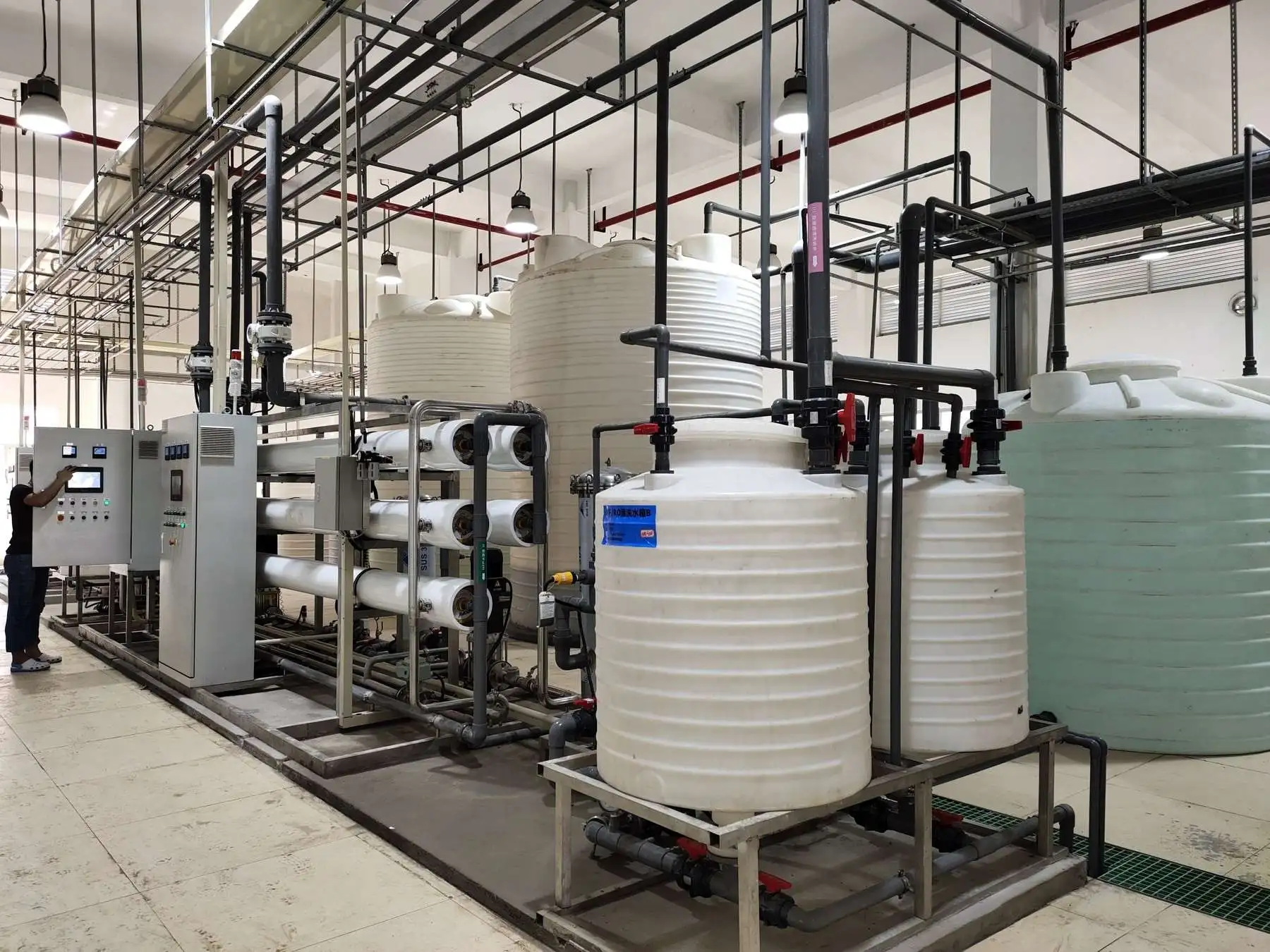
Water reuse treatment equipment from Zhongnuo Water Treatment local equipment library.
What Is a Wastewater Reuse System?
A wastewater reuse system is a treatment process that takes treated industrial wastewater, production wastewater, or other reclaimable streams and purifies them for reuse inside the plant. Depending on the application, the recovered water may be used as process water, cleaning water, cooling make-up water, or pretreatment feed for deeper purification.
The main purpose is to turn part of the wastewater stream into a reusable water resource instead of treating it only as discharge.
Why Factories Are Investing in Water Reuse
Industrial users are under growing pressure to control both incoming water cost and outgoing wastewater volume. Water reuse projects help address both sides of that challenge.
· Reduce dependence on freshwater sources
· Lower total water purchase or extraction cost
· Cut wastewater discharge volume
· Improve environmental compliance performance
· Support internal sustainability and resource-efficiency goals
How a Factory Water Reuse System Works
The exact process depends on wastewater quality and the final reuse target, but most wastewater reuse systems combine pretreatment, membrane treatment, and storage or polishing stages.
· Collection and equalization of wastewater streams
· Pretreatment for suspended solids, oil, organics, or hardness depending on the source
· Membrane or filtration stages such as UF or RO for deeper purification
· Storage and redistribution for plant reuse points
· Optional polishing depending on whether the water is reused for utilities or process applications
In many industrial projects, membrane-based treatment plays a key role because it improves water clarity, reduces dissolved pollutants, and makes the reclaimed water more stable for reuse.
Where Reclaimed Water Can Be Reused in a Factory
Reclaimed water does not have to return to the most sensitive production step to create value. Many factories start by reusing treated water in areas where the quality target is practical and the volume impact is meaningful.
· Cooling tower make-up water
· Equipment washing and floor cleaning
· Utility water for non-contact applications
· Process pretreatment water
· Landscape or general service water within industrial parks
Main Benefits of Wastewater Reuse
A well-executed wastewater recycling project offers more than direct water savings. It can improve the overall resilience of plant water management.
· Lower freshwater consumption
· Reduced wastewater discharge load
· Better use of existing water resources
· Potential savings in long-term operating cost
· Improved water supply stability in regions with limited water availability
What Should Be Evaluated Before Starting a Reuse Project?
Before selecting a wastewater reuse system, factories should evaluate both the wastewater source and the intended reuse point. The treatment target depends heavily on these two factors.
· Wastewater source and composition
· Required quality for the reuse application
· Daily recovery volume target
· Presence of oils, organics, salts, or difficult contaminants
· Space, automation, and maintenance requirements
· Whether the reuse water needs further RO or polishing treatment
Why System Design Must Match Real Plant Conditions
Wastewater reuse is not a standard one-configuration project. Two factories in the same industry may still need very different treatment processes because their wastewater composition, production schedule, and reuse goals are different. Engineering design must match the real operating condition, not just the nominal treatment capacity.
That is especially important when the project aims to balance water recovery, operating cost, and stable water quality over the long term.
How Zhongnuo Water Treatment Supports Reuse Projects
Zhongnuo Water Treatment provides customized wastewater reuse and reclaimed water treatment solutions for industrial clients. Based on raw water characteristics, reuse targets, and plant operating needs, the treatment process can be configured to improve recovery efficiency and practical system performance.
· Customized reuse process design
· Pretreatment and membrane integration
· Practical skid-mounted layouts for industrial sites
· Automation options for stable daily operation
· Technical support from project evaluation through commissioning
Conclusion
Wastewater reuse systems help factories save water and reduce discharge by turning part of the wastewater stream into a useful production resource. With the right process design, water recycling can support cost control, environmental performance, and more flexible water management.
If your factory is looking to reduce freshwater use or improve wastewater handling efficiency, the best first step is to define the wastewater source, target reuse point, and daily recovery goal. Those details make it much easier to choose the right industrial water reuse solution.
A practical look at industrial water recycling for lower freshwater demand and more efficient plant operation
As water costs rise and discharge requirements become stricter, more factories are looking beyond one-time water consumption. Instead of using water once and sending it directly to discharge, many plants now invest in wastewater reuse systems to recover usable water for production, cleaning, cooling, and utility applications.
A properly designed industrial water reuse system helps reduce freshwater demand, improve resource efficiency, and support more stable environmental management. For factories with high water consumption, wastewater recycling can become both an economic and operational advantage.
Water reuse treatment equipment from Zhongnuo Water Treatment local equipment library.
What Is a Wastewater Reuse System?
A wastewater reuse system is a treatment process that takes treated industrial wastewater, production wastewater, or other reclaimable streams and purifies them for reuse inside the plant. Depending on the application, the recovered water may be used as process water, cleaning water, cooling make-up water, or pretreatment feed for deeper purification.
The main purpose is to turn part of the wastewater stream into a reusable water resource instead of treating it only as discharge.
Why Factories Are Investing in Water Reuse
Industrial users are under growing pressure to control both incoming water cost and outgoing wastewater volume. Water reuse projects help address both sides of that challenge.
· Reduce dependence on freshwater sources
· Lower total water purchase or extraction cost
· Cut wastewater discharge volume
· Improve environmental compliance performance
· Support internal sustainability and resource-efficiency goals
How a Factory Water Reuse System Works
The exact process depends on wastewater quality and the final reuse target, but most wastewater reuse systems combine pretreatment, membrane treatment, and storage or polishing stages.
· Collection and equalization of wastewater streams
· Pretreatment for suspended solids, oil, organics, or hardness depending on the source
· Membrane or filtration stages such as UF or RO for deeper purification
· Storage and redistribution for plant reuse points
· Optional polishing depending on whether the water is reused for utilities or process applications
In many industrial projects, membrane-based treatment plays a key role because it improves water clarity, reduces dissolved pollutants, and makes the reclaimed water more stable for reuse.
Where Reclaimed Water Can Be Reused in a Factory
Reclaimed water does not have to return to the most sensitive production step to create value. Many factories start by reusing treated water in areas where the quality target is practical and the volume impact is meaningful.
· Cooling tower make-up water
· Equipment washing and floor cleaning
· Utility water for non-contact applications
· Process pretreatment water
· Landscape or general service water within industrial parks
Main Benefits of Wastewater Reuse
A well-executed wastewater recycling project offers more than direct water savings. It can improve the overall resilience of plant water management.
· Lower freshwater consumption
· Reduced wastewater discharge load
· Better use of existing water resources
· Potential savings in long-term operating cost
· Improved water supply stability in regions with limited water availability
What Should Be Evaluated Before Starting a Reuse Project?
Before selecting a wastewater reuse system, factories should evaluate both the wastewater source and the intended reuse point. The treatment target depends heavily on these two factors.
· Wastewater source and composition
· Required quality for the reuse application
· Daily recovery volume target
· Presence of oils, organics, salts, or difficult contaminants
· Space, automation, and maintenance requirements
· Whether the reuse water needs further RO or polishing treatment
Why System Design Must Match Real Plant Conditions
Wastewater reuse is not a standard one-configuration project. Two factories in the same industry may still need very different treatment processes because their wastewater composition, production schedule, and reuse goals are different. Engineering design must match the real operating condition, not just the nominal treatment capacity.
That is especially important when the project aims to balance water recovery, operating cost, and stable water quality over the long term.
How Zhongnuo Water Treatment Supports Reuse Projects
Zhongnuo Water Treatment provides customized wastewater reuse and reclaimed water treatment solutions for industrial clients. Based on raw water characteristics, reuse targets, and plant operating needs, the treatment process can be configured to improve recovery efficiency and practical system performance.
· Customized reuse process design
· Pretreatment and membrane integration
· Practical skid-mounted layouts for industrial sites
· Automation options for stable daily operation
· Technical support from project evaluation through commissioning
Conclusion
Wastewater reuse systems help factories save water and reduce discharge by turning part of the wastewater stream into a useful production resource. With the right process design, water recycling can support cost control, environmental performance, and more flexible water management.
If your factory is looking to reduce freshwater use or improve wastewater handling efficiency, the best first step is to define the wastewater source, target reuse point, and daily recovery goal. Those details make it much easier to choose the right industrial water reuse solution.
Get a Quote for Free
Submit this form and our sales representative will contact you soon.


ONLINE MESSAGE
Copyright © 2026 Zhongnuo Water Treatment Co., Ltd.