

SEARCH WHAT YOU WANT
Why Your RO Water Treatment System Keeps Failing (7 Common Reasons & Solutions)
Time:2026-06-25
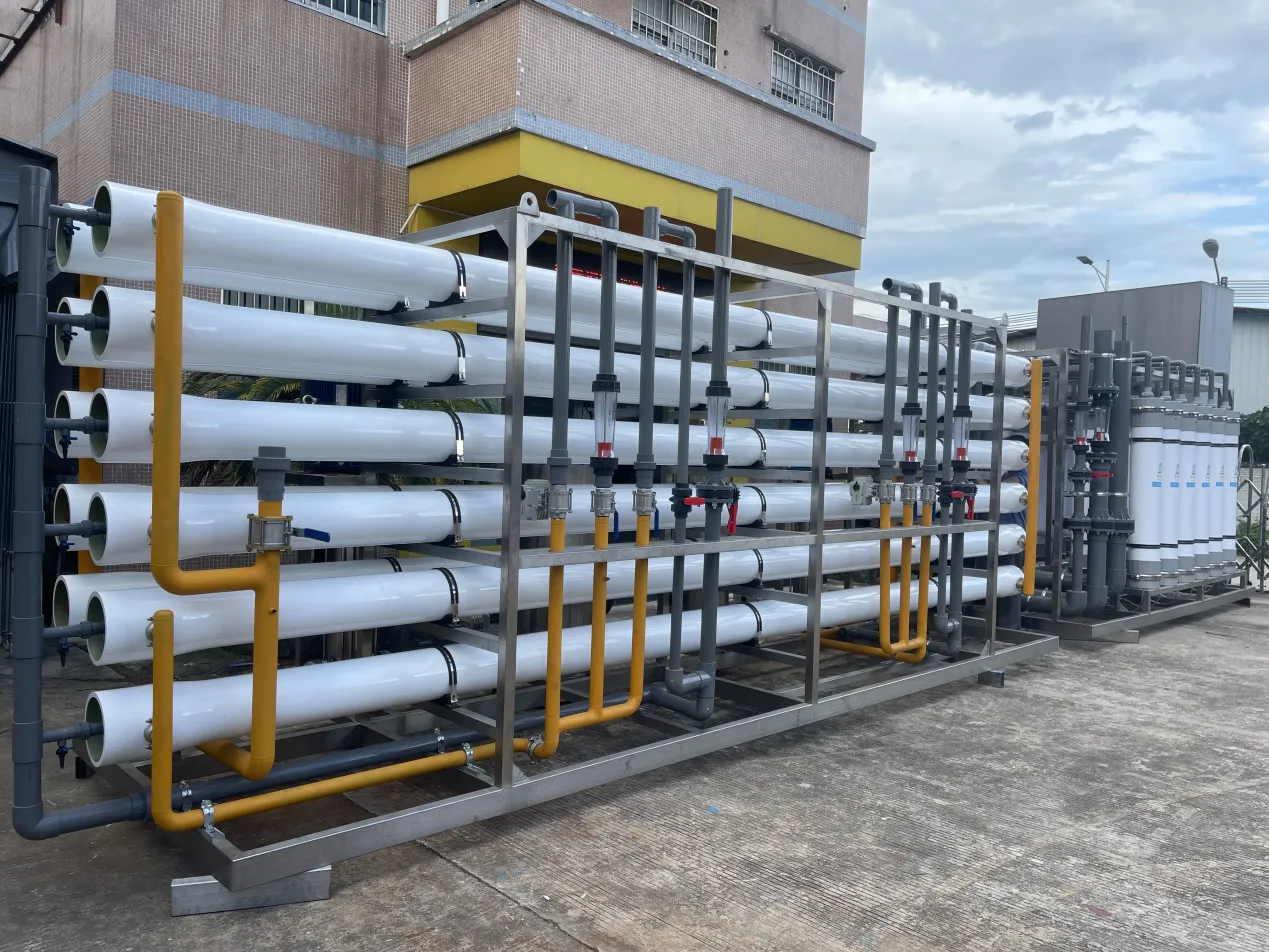
Industrial reverse osmosis (RO) systems are widely used in manufacturing, pharmaceuticals, food processing, electronics, and many other industries. However, many factories experience recurring issues such as declining water quality, membrane fouling, pressure fluctuations, and unexpected shutdowns.
These problems not only increase operating costs but can also interrupt production and reduce product quality.
In this article, we'll explore the seven most common reasons industrial RO systems fail and explain how to solve them before they become expensive problems.
1. Poor Pretreatment Causes Membrane Fouling
Many users believe RO membranes are responsible for poor performance.
In reality, over 70% of membrane failures originate from inadequate pretreatment.
Common causes include:
· High suspended solids (SS)
· High turbidity
· Iron and manganese contamination
· Organic matter
· Colloids
Without effective pretreatment such as multimedia filtration, activated carbon filtration, or ultrafiltration (UF), contaminants rapidly accumulate on the membrane surface.
Solution
✔ Install appropriate pretreatment systems
✔ Replace filter cartridges regularly
✔ Monitor SDI (Silt Density Index)
2. Incorrect Membrane Selection
Not all RO membranes are designed for the same water source.
For example:
· Brackish Water
· Tap Water
· Surface Water
· Seawater
Using an incorrect membrane often results in:
· Low rejection rate
· High energy consumption
· Short membrane life
Always select membranes according to your feed water analysis.
3. High Recovery Rate
Some factories attempt to maximize water recovery above 85%.
While this reduces wastewater, it significantly increases scaling risk.
Typical scale includes:
· Calcium Carbonate
· Calcium Sulfate
· Silica
· Barium Sulfate
Proper recovery design should balance water savings and membrane protection.
4. Inadequate Cleaning
Membranes require scheduled CIP (Clean-In-Place).
Ignoring cleaning schedules leads to:
· Higher operating pressure
· Reduced permeate flow
· Increased energy consumption
Preventive maintenance costs far less than membrane replacement.
5. Incorrect Operating Pressure
Both excessive and insufficient pressure reduce RO performance.
Symptoms include:
· Poor permeate quality
· Low production rate
· Membrane damage
Pressure should be adjusted according to feed water conductivity and system design.
6. Feed Water Quality Changes
Water quality changes seasonally.
Heavy rainfall, industrial discharge, or municipal water fluctuations can dramatically affect:
· Turbidity
· Conductivity
· Hardness
· Organic content
Routine water testing helps identify these changes early.
7. Lack of Professional System Design
Perhaps the biggest mistake is purchasing equipment based solely on price.
An improperly designed system may suffer from:
· Oversized pumps
· Incorrect membrane quantity
· Poor pipe layout
· High energy consumption
Working with an experienced water treatment manufacturer ensures long-term reliability and lower operating costs.
How to Choose the Right Industrial RO System
Before purchasing an RO system, always consider:
✔ Raw water analysis
✔ Required water quality
✔ Daily water demand
✔ Future expansion
✔ Available installation space
✔ Operating costs
✔ After-sales technical support
Conclusion
An industrial RO system is a long-term investment.
Choosing the right equipment, implementing proper pretreatment, and maintaining the system regularly can significantly reduce downtime and operating expenses.
If you're planning a new water treatment project or upgrading an existing system, our engineering team can provide customized solutions based on your specific water quality and production requirements.
CTA
Need a customized industrial RO water treatment solution?
Contact Zhongnuo Water Treatment today for:
✔ Free water quality analysis
✔ Customized system design
✔ Professional engineering support
✔ Global installation guidance
Industrial reverse osmosis (RO) systems are widely used in manufacturing, pharmaceuticals, food processing, electronics, and many other industries. However, many factories experience recurring issues such as declining water quality, membrane fouling, pressure fluctuations, and unexpected shutdowns.
These problems not only increase operating costs but can also interrupt production and reduce product quality.
In this article, we'll explore the seven most common reasons industrial RO systems fail and explain how to solve them before they become expensive problems.
1. Poor Pretreatment Causes Membrane Fouling
Many users believe RO membranes are responsible for poor performance.
In reality, over 70% of membrane failures originate from inadequate pretreatment.
Common causes include:
· High suspended solids (SS)
· High turbidity
· Iron and manganese contamination
· Organic matter
· Colloids
Without effective pretreatment such as multimedia filtration, activated carbon filtration, or ultrafiltration (UF), contaminants rapidly accumulate on the membrane surface.
Solution
✔ Install appropriate pretreatment systems
✔ Replace filter cartridges regularly
✔ Monitor SDI (Silt Density Index)
2. Incorrect Membrane Selection
Not all RO membranes are designed for the same water source.
For example:
· Brackish Water
· Tap Water
· Surface Water
· Seawater
Using an incorrect membrane often results in:
· Low rejection rate
· High energy consumption
· Short membrane life
Always select membranes according to your feed water analysis.
3. High Recovery Rate
Some factories attempt to maximize water recovery above 85%.
While this reduces wastewater, it significantly increases scaling risk.
Typical scale includes:
· Calcium Carbonate
· Calcium Sulfate
· Silica
· Barium Sulfate
Proper recovery design should balance water savings and membrane protection.
4. Inadequate Cleaning
Membranes require scheduled CIP (Clean-In-Place).
Ignoring cleaning schedules leads to:
· Higher operating pressure
· Reduced permeate flow
· Increased energy consumption
Preventive maintenance costs far less than membrane replacement.
5. Incorrect Operating Pressure
Both excessive and insufficient pressure reduce RO performance.
Symptoms include:
· Poor permeate quality
· Low production rate
· Membrane damage
Pressure should be adjusted according to feed water conductivity and system design.
6. Feed Water Quality Changes
Water quality changes seasonally.
Heavy rainfall, industrial discharge, or municipal water fluctuations can dramatically affect:
· Turbidity
· Conductivity
· Hardness
· Organic content
Routine water testing helps identify these changes early.
7. Lack of Professional System Design
Perhaps the biggest mistake is purchasing equipment based solely on price.
An improperly designed system may suffer from:
· Oversized pumps
· Incorrect membrane quantity
· Poor pipe layout
· High energy consumption
Working with an experienced water treatment manufacturer ensures long-term reliability and lower operating costs.
How to Choose the Right Industrial RO System
Before purchasing an RO system, always consider:
✔ Raw water analysis
✔ Required water quality
✔ Daily water demand
✔ Future expansion
✔ Available installation space
✔ Operating costs
✔ After-sales technical support
Conclusion
An industrial RO system is a long-term investment.
Choosing the right equipment, implementing proper pretreatment, and maintaining the system regularly can significantly reduce downtime and operating expenses.
If you're planning a new water treatment project or upgrading an existing system, our engineering team can provide customized solutions based on your specific water quality and production requirements.
CTA
Need a customized industrial RO water treatment solution?
Contact Zhongnuo Water Treatment today for:
✔ Free water quality analysis
✔ Customized system design
✔ Professional engineering support
✔ Global installation guidance
Get a Quote for Free
Submit this form and our sales representative will contact you soon.


ONLINE MESSAGE
Copyright © 2026 Zhongnuo Water Treatment Co., Ltd.