
Yellow Borehole Water
High iron and manganese caused visible yellow coloration in the factory’s raw water.
Food Factory Water Treatment Project
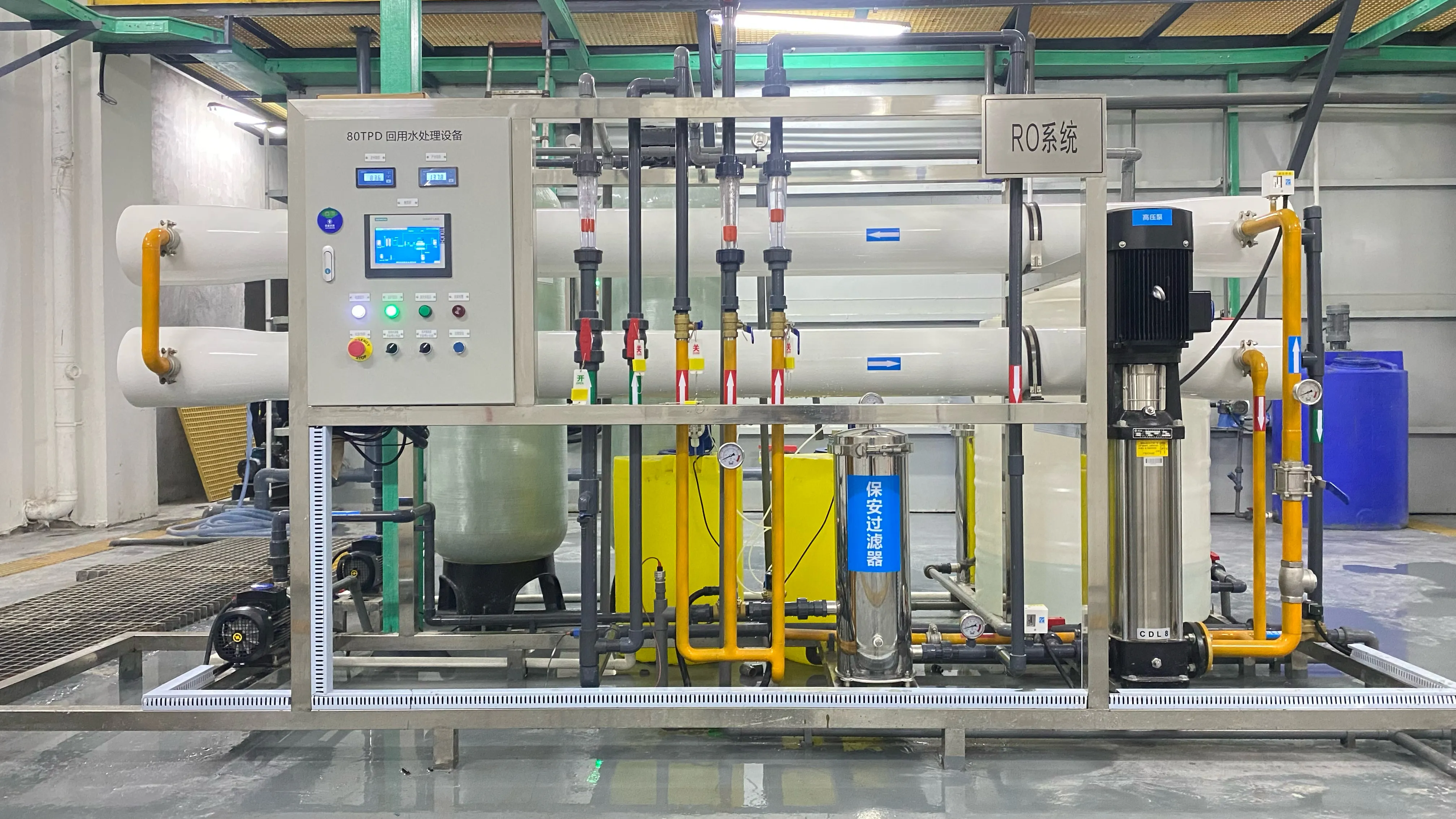
A compact skid-mounted borehole water treatment plant designed to remove iron, manganese, hardness, metallic odor and dissolved salts, providing stable purified water for food processing and equipment cleaning.
| Location | Kano, Nigeria |
|---|---|
| Industry | Food and beverage processing |
| Raw water source | Local borehole water |
| Product-water capacity | 6m³/h (6,000L/h) |
| Main treatment process | Iron and manganese removal + pretreatment + single-pass RO |
| Installation | Compact skid-mounted structure |
| Control mode | Automatic PLC control |
High iron and manganese caused visible yellow coloration in the factory’s raw water.
Unpleasant metallic odor affected water quality and created risks for food processing.
High hardness caused deposits, pipeline blockage and frequent equipment cleaning.
Frequent municipal water interruptions could not support the daily production schedule.
The factory required a compact system that could fit into the available installation area.
Repeated pipeline and production-equipment cleaning increased operating expenses.
Zhongnuo designed a compact 6m³/h skid-mounted system based on the factory’s limited space, medium water demand and borehole-water conditions. Dedicated oxidation and filtration remove iron and manganese before the RO stage, protecting the membranes and stabilizing the final water quality.
Oxidation and dedicated filtration reduce metal content, discoloration and metallic odor.
Multimedia, activated carbon and cartridge filtration reduce sediment, turbidity and organics.
Industrial RO membranes reduce hardness, dissolved salts and other dissolved impurities.
Controlled dosing reduces mineral precipitation and helps protect the membrane system.
Automatic operation, flushing, level control and protection reduce manual supervision.
Preassembled construction saves space and simplifies transportation and on-site installation.
 Treatment Process
Converts dissolved iron and manganese into filterable particles.
Captures oxidized metals and improves water appearance and odor.
Reduces sediment, turbidity and suspended solids before RO.
Reduces odor and selected organic substances in the feed water.
Reduces dissolved salts, hardness and scaling substances.
Online conductivity, flow and pressure monitoring with automatic protection.
Consistent purified water supports food production and equipment cleaning.
Lower hardness reduces deposits in pipelines and processing equipment.
Lower cleaning frequency helps control labor and operating costs.
Borehole-water treatment reduces dependence on unstable municipal water.
The skid-mounted plant fits the factory’s restricted equipment area.
PLC automation reduces routine manual intervention and operating complexity.
High iron and manganese should be removed through oxidation and dedicated filtration before RO to reduce membrane fouling.
It refers to the rated product-water output. Feed-water demand is higher and depends on the system recovery rate.
Yes. The process can be designed for food-processing water, but the final water must meet the customer’s production requirements and applicable local standards.
Yes. PLC control manages water production, flushing, tank levels, alarms and equipment protection.
Please provide a complete water analysis, required flow rate, daily operating hours, target water quality, local voltage and installation conditions.
Send us your borehole-water analysis, required capacity and project location for a customized process design and quotation.
Food Factory Water Treatment Project
A compact skid-mounted borehole water treatment plant designed to remove iron, manganese, hardness, metallic odor and dissolved salts, providing stable purified water for food processing and equipment cleaning.
| Location | Kano, Nigeria |
|---|---|
| Industry | Food and beverage processing |
| Raw water source | Local borehole water |
| Product-water capacity | 6m³/h (6,000L/h) |
| Main treatment process | Iron and manganese removal + pretreatment + single-pass RO |
| Installation | Compact skid-mounted structure |
| Control mode | Automatic PLC control |
High iron and manganese caused visible yellow coloration in the factory’s raw water.
Unpleasant metallic odor affected water quality and created risks for food processing.
High hardness caused deposits, pipeline blockage and frequent equipment cleaning.
Frequent municipal water interruptions could not support the daily production schedule.
The factory required a compact system that could fit into the available installation area.
Repeated pipeline and production-equipment cleaning increased operating expenses.
Zhongnuo designed a compact 6m³/h skid-mounted system based on the factory’s limited space, medium water demand and borehole-water conditions. Dedicated oxidation and filtration remove iron and manganese before the RO stage, protecting the membranes and stabilizing the final water quality.
Oxidation and dedicated filtration reduce metal content, discoloration and metallic odor.
Multimedia, activated carbon and cartridge filtration reduce sediment, turbidity and organics.
Industrial RO membranes reduce hardness, dissolved salts and other dissolved impurities.
Controlled dosing reduces mineral precipitation and helps protect the membrane system.
Automatic operation, flushing, level control and protection reduce manual supervision.
Preassembled construction saves space and simplifies transportation and on-site installation.
Treatment ProcessConverts dissolved iron and manganese into filterable particles.
Captures oxidized metals and improves water appearance and odor.
Reduces sediment, turbidity and suspended solids before RO.
Reduces odor and selected organic substances in the feed water.
Reduces dissolved salts, hardness and scaling substances.
Online conductivity, flow and pressure monitoring with automatic protection.
Consistent purified water supports food production and equipment cleaning.
Lower hardness reduces deposits in pipelines and processing equipment.
Lower cleaning frequency helps control labor and operating costs.
Borehole-water treatment reduces dependence on unstable municipal water.
The skid-mounted plant fits the factory’s restricted equipment area.
PLC automation reduces routine manual intervention and operating complexity.
High iron and manganese should be removed through oxidation and dedicated filtration before RO to reduce membrane fouling.
It refers to the rated product-water output. Feed-water demand is higher and depends on the system recovery rate.
Yes. The process can be designed for food-processing water, but the final water must meet the customer’s production requirements and applicable local standards.
Yes. PLC control manages water production, flushing, tank levels, alarms and equipment protection.
Please provide a complete water analysis, required flow rate, daily operating hours, target water quality, local voltage and installation conditions.
Send us your borehole-water analysis, required capacity and project location for a customized process design and quotation.