

SEARCH WHAT YOU WANT
How a Brackish Water Desalination System Solves High-Salinity Groundwater Problems
Time:2025-02-28
A practical guide for factories, industrial parks, and remote sites using brackish water treatment
In many inland regions, factories and commercial facilities depend on groundwater as their main water source. The problem is that groundwater is not always fresh enough for direct use. In some areas, high salinity, elevated TDS, hardness, and unstable raw water quality can make production difficult and increase operating risk. This is where a brackish water desalination system becomes a practical solution.
A well-designed brackish water treatment system can reduce salt content, improve water stability, and provide a dependable supply for industrial processes, utility water, and further purification. For users facing high-salinity groundwater problems, the right equipment can turn a difficult raw water source into a workable production asset.
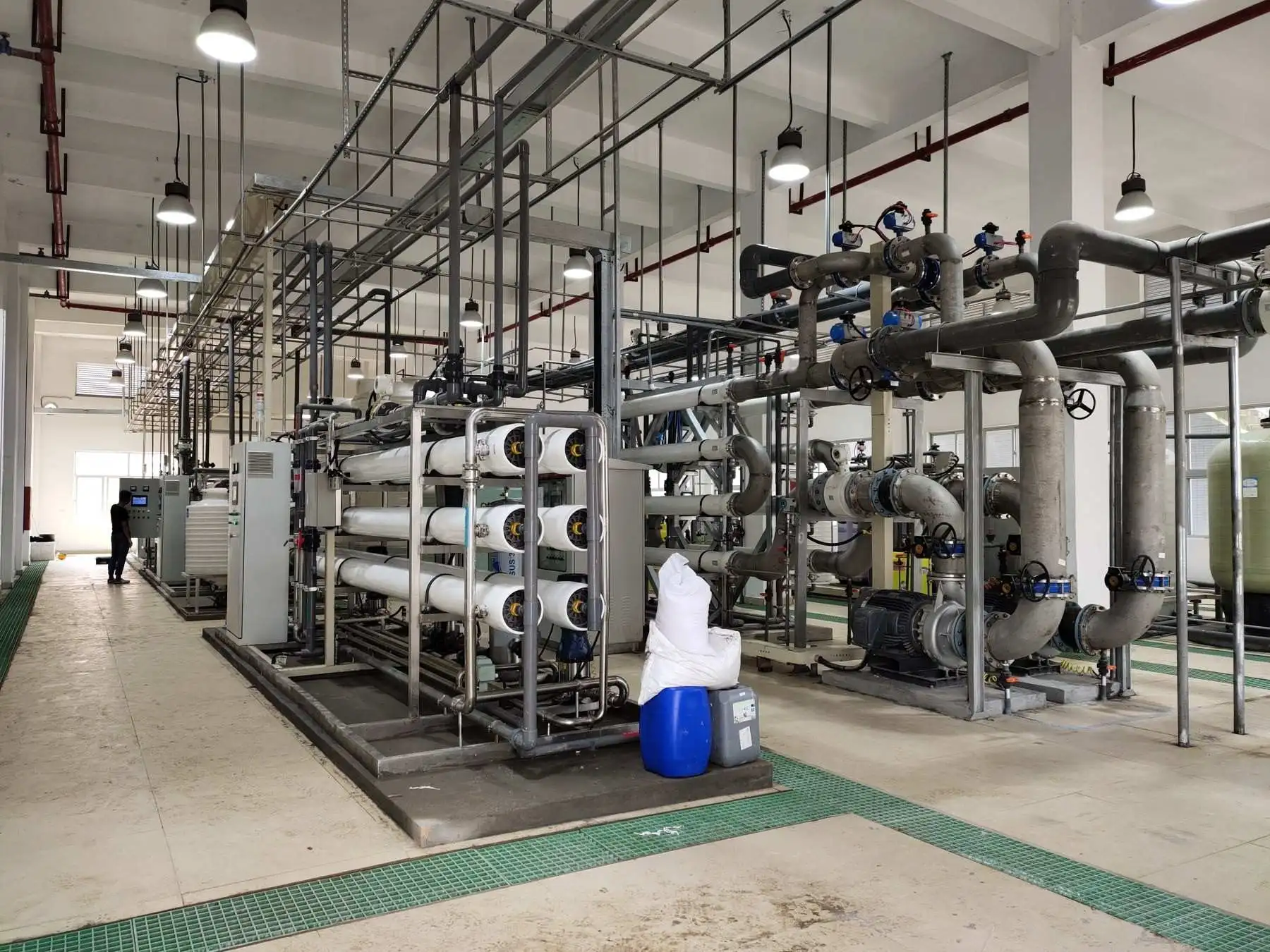 Brackish water desalination equipment from Zhongnuo Water Treatment local equipment library.
What Is Brackish Water?
Brackish water is water with salinity higher than normal freshwater but lower than seawater. It is often found in underground wells, inland water sources, coastal aquifers, and certain industrial reuse streams. Although it may look clear, brackish water can contain dissolved salts, hardness, silica, and other contaminants that affect equipment and product quality.
Because the salt concentration is too high for many direct applications, brackish water usually needs desalination before it can be used for boiler feed, process water, product water, cleaning water, or pretreatment for ultrapure systems.
Why High-Salinity Groundwater Causes Problems
High-salinity groundwater creates several practical challenges for industrial users. Even when the water source is stable in volume, the dissolved solids and hardness can damage downstream processes if not treated correctly.
· Scaling risk in pipelines, boilers, and heat exchange equipment
· Higher conductivity that may not meet production standards
· Inconsistent water quality for process control
· Faster fouling or damage in downstream equipment
· Difficulty meeting water quality needs for food, pharmaceutical, electronics, or chemical applications
How a Brackish Water Desalination System Works
A brackish water desalination system is usually built around reverse osmosis technology, supported by pretreatment and post-treatment sections. The exact process depends on the raw water analysis and final application target.
· Raw water tank or well water feed section
· Pretreatment for suspended solids, iron, manganese, and hardness control when required
· Security filtration before the membrane section
· High-pressure pump for brackish water reverse osmosis operation
· RO membrane unit for salt reduction and water purification
· Post-treatment or storage depending on end use
The main goal is to reduce dissolved salts while maintaining stable system recovery, manageable operating cost, and reliable long-term performance.
Where Brackish Water Treatment Is Commonly Used
Brackish water desalination equipment is widely used in projects where groundwater is available but too saline for direct production use.
· Industrial parks with self-supplied well water
· Factories in inland or semi-coastal regions
· Food and beverage plants
· Chemical and pharmaceutical projects
· Boiler make-up water and utility water systems
· Pretreatment before EDI or ultrapure water systems
Benefits of a Brackish Water Desalination System
For users dealing with high-salinity groundwater, the right brackish water RO system does much more than lower TDS. It supports production continuity and protects downstream investment.
· Makes difficult groundwater usable for industrial applications
· Reduces scaling and conductivity problems
· Improves stability of downstream production water
· Supports customized design based on local raw water conditions
· Can be integrated with further purification processes when needed
What Should You Check Before Choosing Equipment?
Capacity is only one part of the decision. To choose the right brackish water desalination system, buyers should start with a full water analysis and a clear understanding of the final application.
· Raw water TDS and conductivity
· Hardness, iron, manganese, silica, and organics
· Required product water quality
· Daily operating hours and target output
· Whether the system feeds a process line, boiler, reuse system, or ultrapure water system
· Space, automation, and maintenance expectations
Why Customized Design Matters
Brackish groundwater quality can vary a lot from one region to another. A standard one-size-fits-all configuration may not deliver the right balance of water quality, membrane life, and operating economy. Pretreatment, recovery rate, membrane selection, and control logic should all match the actual feed water condition.
That is why experienced engineering support is important when designing a brackish water treatment solution for industrial use.
How Zhongnuo Water Treatment Supports Brackish Water Projects
Zhongnuo Water Treatment provides customized brackish water desalination systems for factories, industrial parks, utilities, and special production projects. Based on the raw water report and target water standard, the process can be configured for stable operation, practical maintenance, and reliable long-term output.
· Customized brackish water reverse osmosis design
· Pretreatment matching local groundwater conditions
· Skid-mounted layouts with practical maintenance access
· PLC automation options for stable operation
· Technical guidance from project evaluation through commissioning
Conclusion
A brackish water desalination system is one of the most effective ways to solve high-salinity groundwater problems in industrial and commercial projects. By reducing dissolved salts and improving water stability, it helps factories make better use of local water resources while protecting downstream production.
If your project depends on well water or groundwater with elevated salinity, the best starting point is a clear raw water report and a defined product water target. With those details, it becomes much easier to select the right brackish water treatment equipment for long-term operation.
A practical guide for factories, industrial parks, and remote sites using brackish water treatment
In many inland regions, factories and commercial facilities depend on groundwater as their main water source. The problem is that groundwater is not always fresh enough for direct use. In some areas, high salinity, elevated TDS, hardness, and unstable raw water quality can make production difficult and increase operating risk. This is where a brackish water desalination system becomes a practical solution.
A well-designed brackish water treatment system can reduce salt content, improve water stability, and provide a dependable supply for industrial processes, utility water, and further purification. For users facing high-salinity groundwater problems, the right equipment can turn a difficult raw water source into a workable production asset.
Brackish water desalination equipment from Zhongnuo Water Treatment local equipment library.
What Is Brackish Water?
Brackish water is water with salinity higher than normal freshwater but lower than seawater. It is often found in underground wells, inland water sources, coastal aquifers, and certain industrial reuse streams. Although it may look clear, brackish water can contain dissolved salts, hardness, silica, and other contaminants that affect equipment and product quality.
Because the salt concentration is too high for many direct applications, brackish water usually needs desalination before it can be used for boiler feed, process water, product water, cleaning water, or pretreatment for ultrapure systems.
Why High-Salinity Groundwater Causes Problems
High-salinity groundwater creates several practical challenges for industrial users. Even when the water source is stable in volume, the dissolved solids and hardness can damage downstream processes if not treated correctly.
· Scaling risk in pipelines, boilers, and heat exchange equipment
· Higher conductivity that may not meet production standards
· Inconsistent water quality for process control
· Faster fouling or damage in downstream equipment
· Difficulty meeting water quality needs for food, pharmaceutical, electronics, or chemical applications
How a Brackish Water Desalination System Works
A brackish water desalination system is usually built around reverse osmosis technology, supported by pretreatment and post-treatment sections. The exact process depends on the raw water analysis and final application target.
· Raw water tank or well water feed section
· Pretreatment for suspended solids, iron, manganese, and hardness control when required
· Security filtration before the membrane section
· High-pressure pump for brackish water reverse osmosis operation
· RO membrane unit for salt reduction and water purification
· Post-treatment or storage depending on end use
The main goal is to reduce dissolved salts while maintaining stable system recovery, manageable operating cost, and reliable long-term performance.
Where Brackish Water Treatment Is Commonly Used
Brackish water desalination equipment is widely used in projects where groundwater is available but too saline for direct production use.
· Industrial parks with self-supplied well water
· Factories in inland or semi-coastal regions
· Food and beverage plants
· Chemical and pharmaceutical projects
· Boiler make-up water and utility water systems
· Pretreatment before EDI or ultrapure water systems
Benefits of a Brackish Water Desalination System
For users dealing with high-salinity groundwater, the right brackish water RO system does much more than lower TDS. It supports production continuity and protects downstream investment.
· Makes difficult groundwater usable for industrial applications
· Reduces scaling and conductivity problems
· Improves stability of downstream production water
· Supports customized design based on local raw water conditions
· Can be integrated with further purification processes when needed
What Should You Check Before Choosing Equipment?
Capacity is only one part of the decision. To choose the right brackish water desalination system, buyers should start with a full water analysis and a clear understanding of the final application.
· Raw water TDS and conductivity
· Hardness, iron, manganese, silica, and organics
· Required product water quality
· Daily operating hours and target output
· Whether the system feeds a process line, boiler, reuse system, or ultrapure water system
· Space, automation, and maintenance expectations
Why Customized Design Matters
Brackish groundwater quality can vary a lot from one region to another. A standard one-size-fits-all configuration may not deliver the right balance of water quality, membrane life, and operating economy. Pretreatment, recovery rate, membrane selection, and control logic should all match the actual feed water condition.
That is why experienced engineering support is important when designing a brackish water treatment solution for industrial use.
How Zhongnuo Water Treatment Supports Brackish Water Projects
Zhongnuo Water Treatment provides customized brackish water desalination systems for factories, industrial parks, utilities, and special production projects. Based on the raw water report and target water standard, the process can be configured for stable operation, practical maintenance, and reliable long-term output.
· Customized brackish water reverse osmosis design
· Pretreatment matching local groundwater conditions
· Skid-mounted layouts with practical maintenance access
· PLC automation options for stable operation
· Technical guidance from project evaluation through commissioning
Conclusion
A brackish water desalination system is one of the most effective ways to solve high-salinity groundwater problems in industrial and commercial projects. By reducing dissolved salts and improving water stability, it helps factories make better use of local water resources while protecting downstream production.
If your project depends on well water or groundwater with elevated salinity, the best starting point is a clear raw water report and a defined product water target. With those details, it becomes much easier to select the right brackish water treatment equipment for long-term operation.
Get a Quote for Free
Submit this form and our sales representative will contact you soon.


ONLINE MESSAGE
Copyright © 2026 Zhongnuo Water Treatment Co., Ltd.