

SEARCH WHAT YOU WANT
What Is a Containerized Reverse Osmosis Water Treatment System?
Time:2024-12-11
A compact and mobile water treatment solution for industrial, remote, and temporary water supply projects
Many water treatment projects are built in places where installation speed, mobility, and space efficiency matter just as much as water quality. In these situations, a containerized reverse osmosis water treatment system offers a practical answer. By integrating the treatment equipment inside a standard container, the system becomes easier to transport, faster to deploy, and more convenient to protect in demanding environments.
A containerized RO system is especially useful for remote industrial sites, temporary production projects, mining camps, island installations, emergency water supply, and export projects that need a ready-to-use water treatment package.
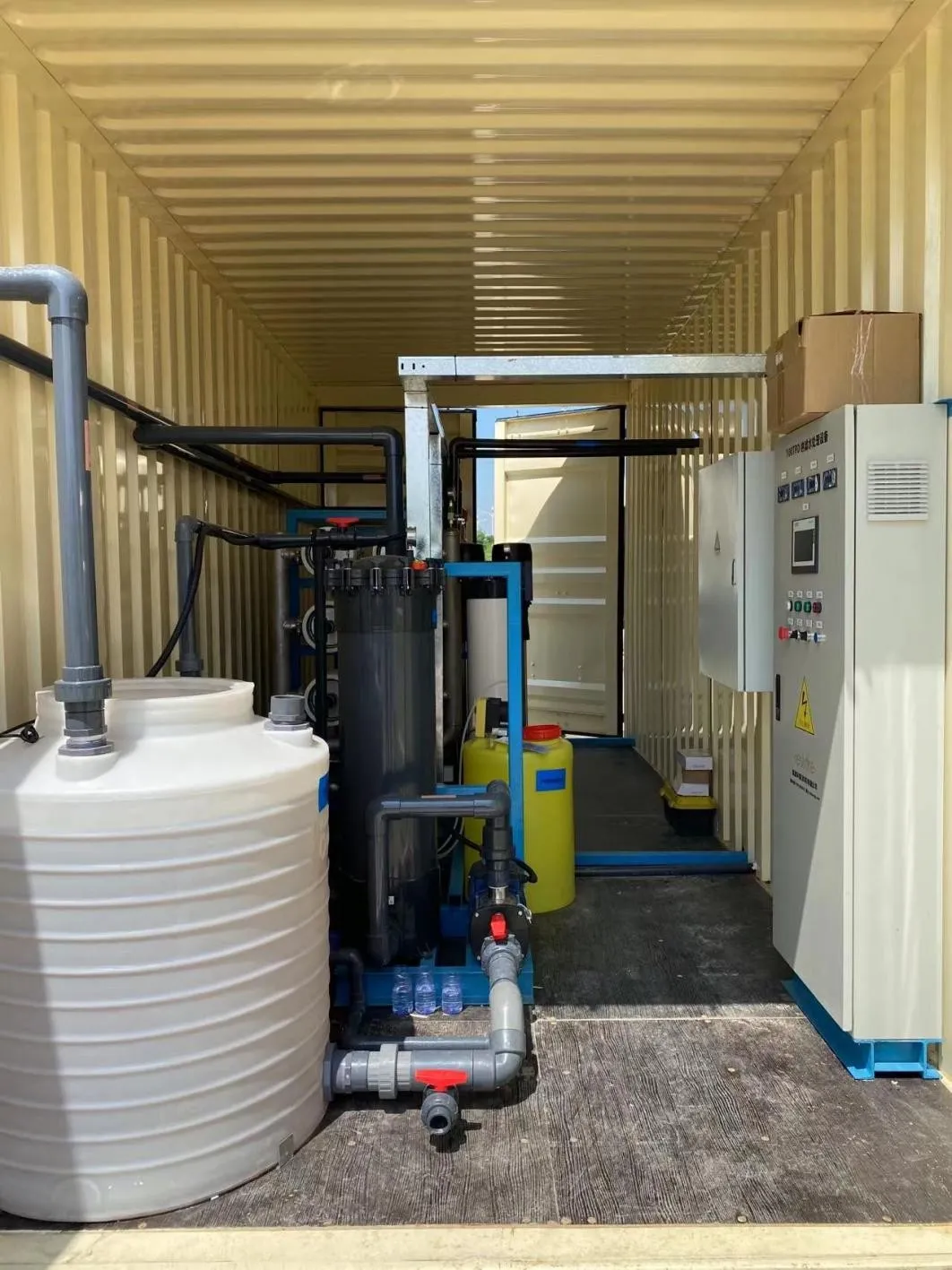
Containerized reverse osmosis system from Zhongnuo Water Treatment local equipment library.
What Is a Containerized RO System?
A containerized reverse osmosis system is a complete water treatment unit installed inside a shipping container or container-style enclosure. It usually includes pretreatment, RO membranes, piping, electrical control, and operation space in one integrated structure.
Compared with a traditional open skid system, the containerized design provides better portability and physical protection. It also helps simplify overseas shipment and on-site installation.
How a Containerized Water Treatment System Works
The treatment principle inside a containerized RO unit is the same as a standard reverse osmosis system, but the layout is optimized for compact engineering and transport convenience.
· Raw water feed and pretreatment section
· Multimedia or cartridge filtration depending on project needs
· High-pressure pump and reverse osmosis membranes
· Electrical control cabinet and monitoring system
· Permeate outlet, concentrate discharge, and utility connections
· Optional chemical dosing, CIP, or insulated design based on site conditions
Because everything is integrated into a compact footprint, piping and operation layout need to be designed carefully so that daily maintenance remains practical.
Where Containerized RO Systems Are Commonly Used
Containerized reverse osmosis water treatment systems are widely used in projects that need fast delivery, easy transport, or outdoor installation.
· Remote factories and industrial sites
· Mining, oil, and gas field support projects
· Island and coastal freshwater supply
· Construction camps and temporary production lines
· Emergency drinking water and disaster response projects
· Overseas projects where fast installation matters
Main Advantages of a Containerized RO System
For many buyers, the main value of a containerized water treatment system is not only water purification but also project flexibility.
· Easy transportation by truck, rail, or sea freight
· Faster installation and commissioning on site
· Compact footprint for restricted project areas
· Better protection against weather and external conditions
· Convenient export format for international projects
· Can be customized for brackish water, seawater, or standard RO applications
What Should Buyers Check Before Choosing One?
A containerized RO system should not be selected only by container size. The water source, project destination, climate, and final water standard are all important in determining the right configuration.
· Raw water source such as well water, municipal water, brackish water, or seawater
· Required production capacity and daily operating hours
· Destination country and transport conditions
· Climate, temperature, ventilation, and insulation needs
· Power supply and automation requirements
· Need for CIP, chemical dosing, or operator access space
Why Container Layout Matters
A good containerized reverse osmosis system is more than a standard RO skid placed inside a box. Internal layout must balance equipment density with operator access, membrane replacement space, electrical safety, and piping arrangement. If the layout is too crowded, future maintenance becomes difficult and downtime can increase.
That is why practical engineering experience is important, especially for export projects and remote installations where field modification is not convenient.
How Zhongnuo Water Treatment Supports Containerized Projects
Zhongnuo Water Treatment provides customized containerized reverse osmosis systems for industrial, municipal, and special project needs. Depending on the raw water and destination requirements, the system can be configured for brackish water treatment, standard purified water production, or other integrated treatment goals.
· Customized containerized RO process design
· Integrated equipment layout for transport and operation
· Export-oriented packaging and installation planning
· PLC automation and remote-friendly operation options
· Technical support from design through commissioning
Conclusion
A containerized reverse osmosis water treatment system is an effective solution when mobility, quick deployment, and compact installation are important. By combining the RO process with a protected container structure, it helps buyers solve both water treatment and project execution challenges at the same time.
If your project needs a transportable and ready-to-install water treatment package, the best starting point is to define the feed water, product water target, site conditions, and shipping destination. These details make it much easier to design the right containerized RO solution.
A compact and mobile water treatment solution for industrial, remote, and temporary water supply projects
Many water treatment projects are built in places where installation speed, mobility, and space efficiency matter just as much as water quality. In these situations, a containerized reverse osmosis water treatment system offers a practical answer. By integrating the treatment equipment inside a standard container, the system becomes easier to transport, faster to deploy, and more convenient to protect in demanding environments.
A containerized RO system is especially useful for remote industrial sites, temporary production projects, mining camps, island installations, emergency water supply, and export projects that need a ready-to-use water treatment package.
Containerized reverse osmosis system from Zhongnuo Water Treatment local equipment library.
What Is a Containerized RO System?
A containerized reverse osmosis system is a complete water treatment unit installed inside a shipping container or container-style enclosure. It usually includes pretreatment, RO membranes, piping, electrical control, and operation space in one integrated structure.
Compared with a traditional open skid system, the containerized design provides better portability and physical protection. It also helps simplify overseas shipment and on-site installation.
How a Containerized Water Treatment System Works
The treatment principle inside a containerized RO unit is the same as a standard reverse osmosis system, but the layout is optimized for compact engineering and transport convenience.
· Raw water feed and pretreatment section
· Multimedia or cartridge filtration depending on project needs
· High-pressure pump and reverse osmosis membranes
· Electrical control cabinet and monitoring system
· Permeate outlet, concentrate discharge, and utility connections
· Optional chemical dosing, CIP, or insulated design based on site conditions
Because everything is integrated into a compact footprint, piping and operation layout need to be designed carefully so that daily maintenance remains practical.
Where Containerized RO Systems Are Commonly Used
Containerized reverse osmosis water treatment systems are widely used in projects that need fast delivery, easy transport, or outdoor installation.
· Remote factories and industrial sites
· Mining, oil, and gas field support projects
· Island and coastal freshwater supply
· Construction camps and temporary production lines
· Emergency drinking water and disaster response projects
· Overseas projects where fast installation matters
Main Advantages of a Containerized RO System
For many buyers, the main value of a containerized water treatment system is not only water purification but also project flexibility.
· Easy transportation by truck, rail, or sea freight
· Faster installation and commissioning on site
· Compact footprint for restricted project areas
· Better protection against weather and external conditions
· Convenient export format for international projects
· Can be customized for brackish water, seawater, or standard RO applications
What Should Buyers Check Before Choosing One?
A containerized RO system should not be selected only by container size. The water source, project destination, climate, and final water standard are all important in determining the right configuration.
· Raw water source such as well water, municipal water, brackish water, or seawater
· Required production capacity and daily operating hours
· Destination country and transport conditions
· Climate, temperature, ventilation, and insulation needs
· Power supply and automation requirements
· Need for CIP, chemical dosing, or operator access space
Why Container Layout Matters
A good containerized reverse osmosis system is more than a standard RO skid placed inside a box. Internal layout must balance equipment density with operator access, membrane replacement space, electrical safety, and piping arrangement. If the layout is too crowded, future maintenance becomes difficult and downtime can increase.
That is why practical engineering experience is important, especially for export projects and remote installations where field modification is not convenient.
How Zhongnuo Water Treatment Supports Containerized Projects
Zhongnuo Water Treatment provides customized containerized reverse osmosis systems for industrial, municipal, and special project needs. Depending on the raw water and destination requirements, the system can be configured for brackish water treatment, standard purified water production, or other integrated treatment goals.
· Customized containerized RO process design
· Integrated equipment layout for transport and operation
· Export-oriented packaging and installation planning
· PLC automation and remote-friendly operation options
· Technical support from design through commissioning
Conclusion
A containerized reverse osmosis water treatment system is an effective solution when mobility, quick deployment, and compact installation are important. By combining the RO process with a protected container structure, it helps buyers solve both water treatment and project execution challenges at the same time.
If your project needs a transportable and ready-to-install water treatment package, the best starting point is to define the feed water, product water target, site conditions, and shipping destination. These details make it much easier to design the right containerized RO solution.
Get a Quote for Free
Submit this form and our sales representative will contact you soon.


ONLINE MESSAGE
Copyright © 2026 Zhongnuo Water Treatment Co., Ltd.