

SEARCH WHAT YOU WANT
What Is a Seawater Desalination System for Islands and Coastal Projects?
Time:2025-03-10
A practical guide to SWRO water treatment for coastal industry, islands, and remote marine locations
In islands, coastal towns, offshore platforms, resorts, ships, and remote industrial sites, freshwater supply is often limited while seawater is available in large quantities. That is why a seawater desalination system has become one of the most practical solutions for turning seawater into usable fresh water for daily life, industry, and utilities.
A modern seawater desalination system can help solve water shortages, reduce dependence on transported water, and support stable operation in areas where traditional freshwater sources are not enough. For many projects, seawater reverse osmosis is the most effective and widely adopted process.
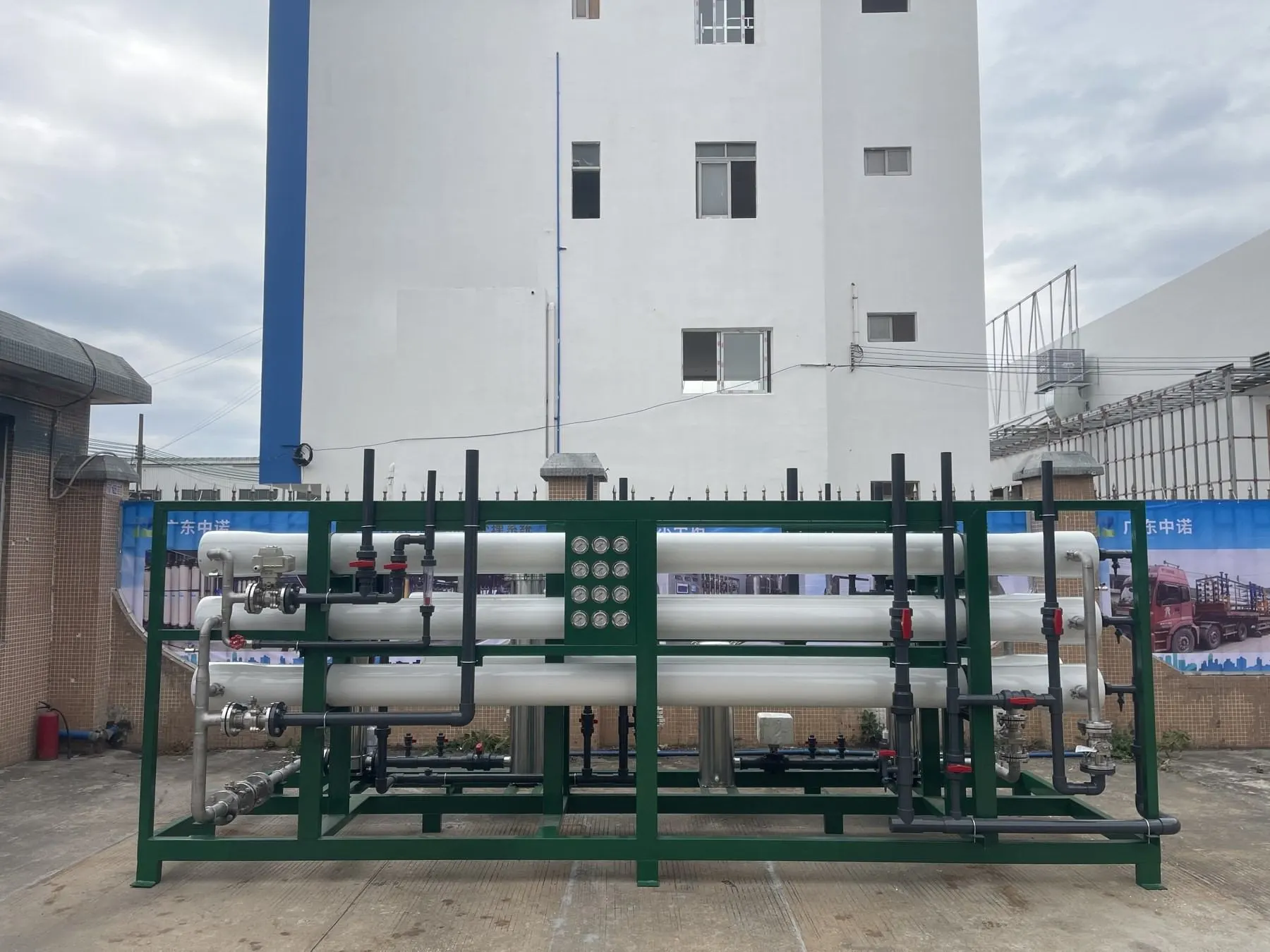 Seawater desalination system from Zhongnuo Water Treatment local equipment library.
What Is a Seawater Desalination System?
A seawater desalination system is a water treatment solution designed to remove dissolved salts and other impurities from seawater so that it can be used as freshwater. In most industrial and commercial projects, this is achieved through seawater reverse osmosis technology, often called SWRO.
Because seawater has much higher salinity than brackish water or normal municipal water, seawater desalination equipment must be designed with higher pressure, stronger corrosion resistance, and a treatment process that can handle marine operating conditions.
How a Seawater Reverse Osmosis System Works
A typical seawater reverse osmosis system includes several process stages that work together to protect the membranes and produce stable freshwater.
· Seawater intake and raw water transfer section
· Pretreatment to reduce suspended solids, turbidity, and biological fouling risk
· Fine filtration before the high-pressure section
· High-pressure pump for SWRO membrane operation
· SWRO membrane unit for desalination and conductivity reduction
· Post-treatment for pH adjustment, mineral balancing, storage, or distribution depending on application
Because seawater contains high salt concentration and marine fouling risks, good pretreatment is one of the most important parts of a stable desalination project.
Where Is Seawater Desalination Used?
Seawater desalination systems are used in many environments where freshwater is scarce but seawater is easily available.
· Islands and coastal communities
· Hotels and resorts near the sea
· Ships and marine service vessels
· Offshore platforms
· Mining and industrial sites in coastal regions
· Emergency water supply and containerized mobile projects
Why Coastal Projects Need a Reliable SWRO System
For coastal and island projects, the challenge is not only making freshwater. It is also making sure the system can operate reliably under salty, humid, and sometimes remote conditions. A poorly designed unit may suffer from corrosion, unstable pressure, high fouling risk, or difficult maintenance.
That is why seawater desalination equipment should be selected with attention to material quality, pretreatment design, control logic, and long-term operating convenience.
Main Benefits of a Seawater Desalination System
A well-designed seawater desalination system provides more than basic water production. It can also improve project independence and long-term operating security.
· Transforms seawater into a reliable freshwater source
· Reduces dependence on transported or purchased freshwater
· Supports remote and coastal site operation
· Can be used for drinking water, industrial water, and utility supply
· Can be integrated with containerized or skid-mounted project formats
What Should You Check Before Choosing Seawater Desalination Equipment?
Before selecting a system, project owners should define the operating environment and final water use very clearly. Capacity alone is not enough.
· Daily or hourly freshwater demand
· Final water use such as drinking water, utility water, or industrial process water
· Installation environment including island, shipboard, resort, or industrial coastal site
· Power supply and automation expectations
· Containerized or fixed skid-mounted installation preference
· Corrosion-resistance and material requirements
What Makes SWRO Different from Standard RO?
A standard reverse osmosis system for low-salinity water is not the same as a seawater reverse osmosis system. SWRO projects require higher operating pressure, different membrane selection, stronger material protection, and more careful pretreatment because seawater salinity and fouling conditions are more demanding.
This is why buyers should choose a supplier with real experience in marine and coastal desalination projects rather than using a standard low-pressure RO design for seawater applications.
How Zhongnuo Water Treatment Supports Seawater Desalination Projects
Zhongnuo Water Treatment provides customized seawater desalination systems for islands, coastal factories, hotels, ships, offshore projects, and remote water supply needs. Depending on the project, the system can be designed as a skid-mounted unit or a containerized desalination solution with practical control and maintenance layout.
· Customized SWRO process design
· Pretreatment and desalination integration
· Practical corrosion-resistant system configuration
· Automatic PLC control options
· Technical guidance from design through commissioning
Conclusion
A seawater desalination system is one of the most effective ways to solve freshwater shortages in islands and coastal projects. By converting seawater into usable freshwater, it supports stable living, industrial production, tourism, and marine operations in places where conventional water sources are limited.
If your project is located near the sea and needs a reliable water source, the best first step is to define water demand, final application, site condition, and installation format. With these details in hand, it becomes much easier to choose the right seawater reverse osmosis system.
A practical guide to SWRO water treatment for coastal industry, islands, and remote marine locations
In islands, coastal towns, offshore platforms, resorts, ships, and remote industrial sites, freshwater supply is often limited while seawater is available in large quantities. That is why a seawater desalination system has become one of the most practical solutions for turning seawater into usable fresh water for daily life, industry, and utilities.
A modern seawater desalination system can help solve water shortages, reduce dependence on transported water, and support stable operation in areas where traditional freshwater sources are not enough. For many projects, seawater reverse osmosis is the most effective and widely adopted process.
Seawater desalination system from Zhongnuo Water Treatment local equipment library.
What Is a Seawater Desalination System?
A seawater desalination system is a water treatment solution designed to remove dissolved salts and other impurities from seawater so that it can be used as freshwater. In most industrial and commercial projects, this is achieved through seawater reverse osmosis technology, often called SWRO.
Because seawater has much higher salinity than brackish water or normal municipal water, seawater desalination equipment must be designed with higher pressure, stronger corrosion resistance, and a treatment process that can handle marine operating conditions.
How a Seawater Reverse Osmosis System Works
A typical seawater reverse osmosis system includes several process stages that work together to protect the membranes and produce stable freshwater.
· Seawater intake and raw water transfer section
· Pretreatment to reduce suspended solids, turbidity, and biological fouling risk
· Fine filtration before the high-pressure section
· High-pressure pump for SWRO membrane operation
· SWRO membrane unit for desalination and conductivity reduction
· Post-treatment for pH adjustment, mineral balancing, storage, or distribution depending on application
Because seawater contains high salt concentration and marine fouling risks, good pretreatment is one of the most important parts of a stable desalination project.
Where Is Seawater Desalination Used?
Seawater desalination systems are used in many environments where freshwater is scarce but seawater is easily available.
· Islands and coastal communities
· Hotels and resorts near the sea
· Ships and marine service vessels
· Offshore platforms
· Mining and industrial sites in coastal regions
· Emergency water supply and containerized mobile projects
Why Coastal Projects Need a Reliable SWRO System
For coastal and island projects, the challenge is not only making freshwater. It is also making sure the system can operate reliably under salty, humid, and sometimes remote conditions. A poorly designed unit may suffer from corrosion, unstable pressure, high fouling risk, or difficult maintenance.
That is why seawater desalination equipment should be selected with attention to material quality, pretreatment design, control logic, and long-term operating convenience.
Main Benefits of a Seawater Desalination System
A well-designed seawater desalination system provides more than basic water production. It can also improve project independence and long-term operating security.
· Transforms seawater into a reliable freshwater source
· Reduces dependence on transported or purchased freshwater
· Supports remote and coastal site operation
· Can be used for drinking water, industrial water, and utility supply
· Can be integrated with containerized or skid-mounted project formats
What Should You Check Before Choosing Seawater Desalination Equipment?
Before selecting a system, project owners should define the operating environment and final water use very clearly. Capacity alone is not enough.
· Daily or hourly freshwater demand
· Final water use such as drinking water, utility water, or industrial process water
· Installation environment including island, shipboard, resort, or industrial coastal site
· Power supply and automation expectations
· Containerized or fixed skid-mounted installation preference
· Corrosion-resistance and material requirements
What Makes SWRO Different from Standard RO?
A standard reverse osmosis system for low-salinity water is not the same as a seawater reverse osmosis system. SWRO projects require higher operating pressure, different membrane selection, stronger material protection, and more careful pretreatment because seawater salinity and fouling conditions are more demanding.
This is why buyers should choose a supplier with real experience in marine and coastal desalination projects rather than using a standard low-pressure RO design for seawater applications.
How Zhongnuo Water Treatment Supports Seawater Desalination Projects
Zhongnuo Water Treatment provides customized seawater desalination systems for islands, coastal factories, hotels, ships, offshore projects, and remote water supply needs. Depending on the project, the system can be designed as a skid-mounted unit or a containerized desalination solution with practical control and maintenance layout.
· Customized SWRO process design
· Pretreatment and desalination integration
· Practical corrosion-resistant system configuration
· Automatic PLC control options
· Technical guidance from design through commissioning
Conclusion
A seawater desalination system is one of the most effective ways to solve freshwater shortages in islands and coastal projects. By converting seawater into usable freshwater, it supports stable living, industrial production, tourism, and marine operations in places where conventional water sources are limited.
If your project is located near the sea and needs a reliable water source, the best first step is to define water demand, final application, site condition, and installation format. With these details in hand, it becomes much easier to choose the right seawater reverse osmosis system.
Get a Quote for Free
Submit this form and our sales representative will contact you soon.


ONLINE MESSAGE
Copyright © 2026 Zhongnuo Water Treatment Co., Ltd.