

SEARCH WHAT YOU WANT
Stainless Steel vs FRP in Water Treatment Equipment: How to Choose
Time:2024-04-11
A practical guide to selecting equipment materials based on application, environment, and budget
When buyers choose water treatment equipment, they often focus first on capacity, process flow, and final water quality. Those are all important, but equipment material is another decision that can strongly affect durability, appearance, maintenance, and project cost. One of the most common comparisons is stainless steel versus FRP in water treatment equipment.
Both materials are widely used in industrial water treatment systems, but they are not interchangeable in every situation. The better option depends on the operating environment, corrosion conditions, structural needs, and the image the project wants to present.
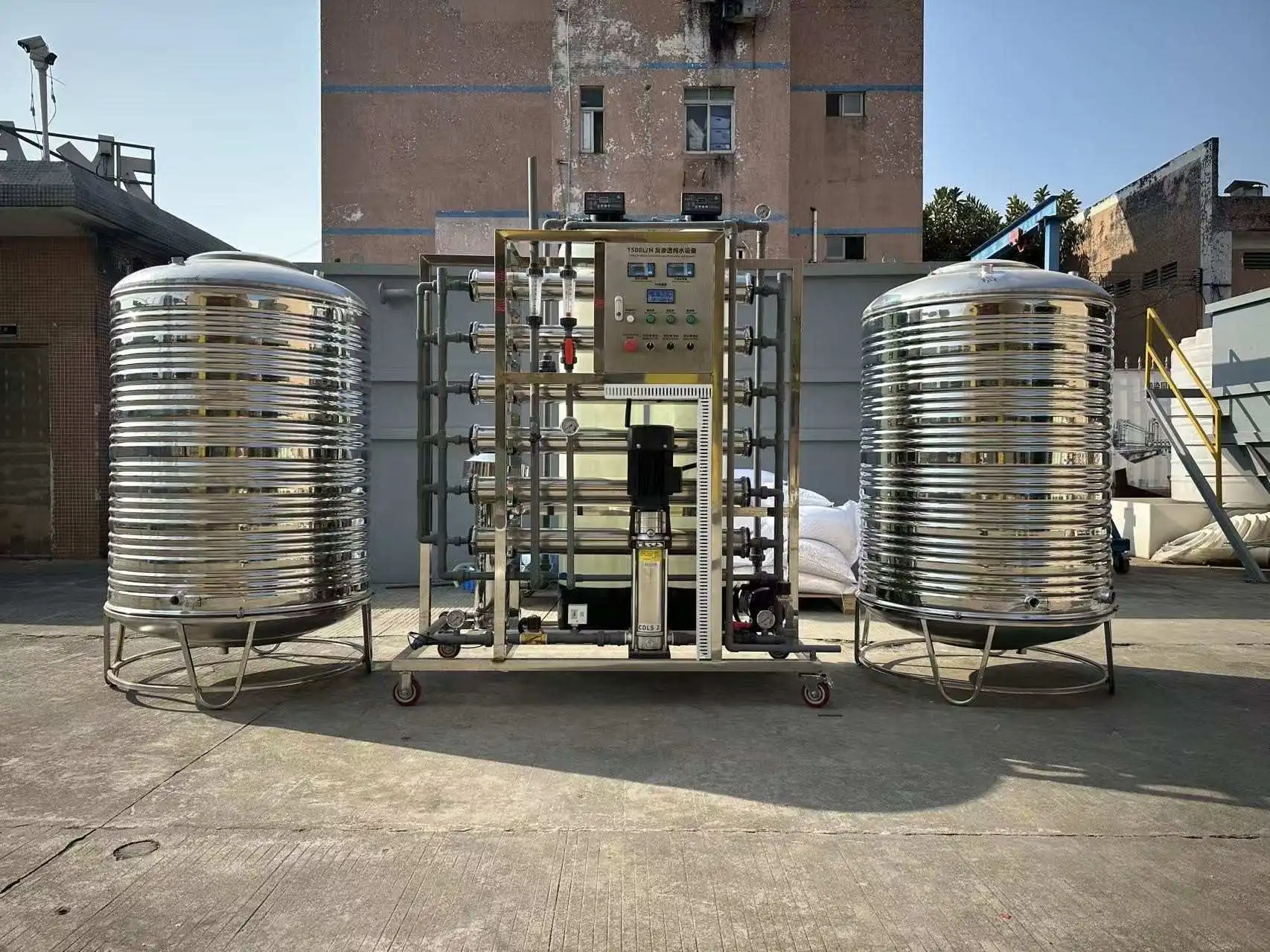
Water treatment equipment from Zhongnuo Water Treatment local product photo library.
Why Material Selection Matters
Material choice affects more than the outer appearance of the system. It influences corrosion resistance, cleaning convenience, mechanical strength, transportation weight, and long-term maintenance. In some industries, it also affects how easily the equipment fits into the customer's production environment.
That is why material selection should be considered as part of the total engineering solution rather than treated as a minor accessory decision.
What Is Stainless Steel Used For?
Stainless steel is commonly used for frames, piping, tanks, housings, and structural sections in water treatment equipment. It is especially popular in projects that value clean appearance, good mechanical strength, and easier hygiene management.
· Strong and stable structural support
· Professional and clean industrial appearance
· Suitable for many food, beverage, pharmaceutical, and electronics projects
· Good durability in properly matched environments
What Is FRP Used For?
FRP, or fiber reinforced plastic, is also widely used in water treatment projects. It is commonly found in pressure vessels, tanks, housings, and certain process components where corrosion resistance and lighter weight are useful.
· Lightweight compared with many metal structures
· Good corrosion resistance in suitable applications
· Practical for many general industrial projects
· Often cost-effective depending on project scope
How to Compare Stainless Steel and FRP
The choice between stainless steel and FRP should be based on real operating needs rather than a simple preference for one material.
· Corrosion environment and chemical exposure
· Required mechanical strength and structural rigidity
· Industry image and cleanliness expectations
· Maintenance and cleaning habits on site
· Transportation, installation, and weight considerations
· Budget and long-term lifecycle expectations
When Stainless Steel Is Often Preferred
Stainless steel is often preferred when the project needs a more premium appearance, stronger frame support, or a cleaner visual standard. It is commonly selected in industries such as food processing, beverage production, pharmaceuticals, and precision manufacturing where equipment presentation also matters.
When FRP Can Be a Practical Choice
FRP can be a very practical choice in many industrial water treatment systems where corrosion resistance, lighter handling, and cost control are important. It is often suitable for general industrial use, utility systems, and projects where appearance is less critical than function and economy.
Why One Material Is Not Always Better Than the Other
There is no universal answer that stainless steel is always better than FRP or vice versa. In many systems, both materials are used together, with each one serving the part of the process where it performs best. A balanced engineering design usually gives a better result than choosing a material only by habit.
Questions Buyers Should Ask Before Deciding
Before confirming equipment material, buyers should review the project conditions carefully.
· What industry will use the equipment?
· Will the system work indoors or outdoors?
· Are there corrosive chemicals or marine conditions involved?
· Is appearance an important part of the project standard?
· What level of maintenance support is available on site?
· Does the project prioritize lower initial cost or longer-term presentation and structure?
How Zhongnuo Water Treatment Supports Material Selection
Zhongnuo Water Treatment helps customers choose equipment materials based on project environment, application needs, and overall process design. Depending on the system type, stainless steel, FRP, or a combined material approach can be recommended to balance durability, practicality, and cost.
· Material selection based on real project conditions
· Support for RO, UF, ultrapure, desalination, and reuse systems
· Practical balance between structure, corrosion resistance, and budget
· Customized engineering recommendations for different industries
· Technical guidance from design through commissioning
Conclusion
Choosing between stainless steel and FRP in water treatment equipment depends on how the system will actually be used. Stainless steel may be better for projects that need stronger structure and cleaner presentation, while FRP can be a practical choice where corrosion resistance, lighter weight, and cost control are more important.
The best approach is to review environment, process requirements, and customer expectations together before finalizing the material plan. That will help ensure the equipment is both technically suitable and commercially sensible.
A practical guide to selecting equipment materials based on application, environment, and budget
When buyers choose water treatment equipment, they often focus first on capacity, process flow, and final water quality. Those are all important, but equipment material is another decision that can strongly affect durability, appearance, maintenance, and project cost. One of the most common comparisons is stainless steel versus FRP in water treatment equipment.
Both materials are widely used in industrial water treatment systems, but they are not interchangeable in every situation. The better option depends on the operating environment, corrosion conditions, structural needs, and the image the project wants to present.
Water treatment equipment from Zhongnuo Water Treatment local product photo library.
Why Material Selection Matters
Material choice affects more than the outer appearance of the system. It influences corrosion resistance, cleaning convenience, mechanical strength, transportation weight, and long-term maintenance. In some industries, it also affects how easily the equipment fits into the customer's production environment.
That is why material selection should be considered as part of the total engineering solution rather than treated as a minor accessory decision.
What Is Stainless Steel Used For?
Stainless steel is commonly used for frames, piping, tanks, housings, and structural sections in water treatment equipment. It is especially popular in projects that value clean appearance, good mechanical strength, and easier hygiene management.
· Strong and stable structural support
· Professional and clean industrial appearance
· Suitable for many food, beverage, pharmaceutical, and electronics projects
· Good durability in properly matched environments
What Is FRP Used For?
FRP, or fiber reinforced plastic, is also widely used in water treatment projects. It is commonly found in pressure vessels, tanks, housings, and certain process components where corrosion resistance and lighter weight are useful.
· Lightweight compared with many metal structures
· Good corrosion resistance in suitable applications
· Practical for many general industrial projects
· Often cost-effective depending on project scope
How to Compare Stainless Steel and FRP
The choice between stainless steel and FRP should be based on real operating needs rather than a simple preference for one material.
· Corrosion environment and chemical exposure
· Required mechanical strength and structural rigidity
· Industry image and cleanliness expectations
· Maintenance and cleaning habits on site
· Transportation, installation, and weight considerations
· Budget and long-term lifecycle expectations
When Stainless Steel Is Often Preferred
Stainless steel is often preferred when the project needs a more premium appearance, stronger frame support, or a cleaner visual standard. It is commonly selected in industries such as food processing, beverage production, pharmaceuticals, and precision manufacturing where equipment presentation also matters.
When FRP Can Be a Practical Choice
FRP can be a very practical choice in many industrial water treatment systems where corrosion resistance, lighter handling, and cost control are important. It is often suitable for general industrial use, utility systems, and projects where appearance is less critical than function and economy.
Why One Material Is Not Always Better Than the Other
There is no universal answer that stainless steel is always better than FRP or vice versa. In many systems, both materials are used together, with each one serving the part of the process where it performs best. A balanced engineering design usually gives a better result than choosing a material only by habit.
Questions Buyers Should Ask Before Deciding
Before confirming equipment material, buyers should review the project conditions carefully.
· What industry will use the equipment?
· Will the system work indoors or outdoors?
· Are there corrosive chemicals or marine conditions involved?
· Is appearance an important part of the project standard?
· What level of maintenance support is available on site?
· Does the project prioritize lower initial cost or longer-term presentation and structure?
How Zhongnuo Water Treatment Supports Material Selection
Zhongnuo Water Treatment helps customers choose equipment materials based on project environment, application needs, and overall process design. Depending on the system type, stainless steel, FRP, or a combined material approach can be recommended to balance durability, practicality, and cost.
· Material selection based on real project conditions
· Support for RO, UF, ultrapure, desalination, and reuse systems
· Practical balance between structure, corrosion resistance, and budget
· Customized engineering recommendations for different industries
· Technical guidance from design through commissioning
Conclusion
Choosing between stainless steel and FRP in water treatment equipment depends on how the system will actually be used. Stainless steel may be better for projects that need stronger structure and cleaner presentation, while FRP can be a practical choice where corrosion resistance, lighter weight, and cost control are more important.
The best approach is to review environment, process requirements, and customer expectations together before finalizing the material plan. That will help ensure the equipment is both technically suitable and commercially sensible.
Get a Quote for Free
Submit this form and our sales representative will contact you soon.


ONLINE MESSAGE
Copyright © 2026 Zhongnuo Water Treatment Co., Ltd.